Several pivotal government programs are at the forefront of reinforcing hygiene practices to safeguard public health and safety. Successful initiatives aimed to encourage and promote superior sanitation habits have proven instrumental in cultivating community well-being. By emphasizing the importance of cleanliness and regular hygiene routines, these programs help prevent the spread of diseases and maintain overall health. Understanding the synergy between maintained hygiene and public welfare is critical for the sustainability of these crucial efforts.
Key Takeaways
- Government-led initiatives are key drivers in promoting hygiene practices.
- These programs aim to enhance public health and safety by preventing disease spread.
- Effective strategies are necessary to encourage widespread adoption of sanitation habits.
- Program evaluation is essential to identify the most effective measures in bolstering societal hygiene.
- Collaboration between government entities can amplify the success of health campaigns.
- Continuous public education is needed to sustain hygiene practices in various communities.
Understanding Public Health Initiatives and Hygiene Promotion
Transformative efforts by government organizations and international agencies have led to implementing robust public health initiatives that target improving hygiene practices globally. Central to these efforts is the aim of enhancing community health and preventing the spread of diseases through strategic disease prevention strategies. Opening the gateway to better hygiene standards, these initiatives are founded on a multidimensional approach, encompassing hygiene promotion, public education, and substantial infrastructure improvements.
USAID’s Global Health Bureau and Global Handwashing Initiatives
The United States Agency for International Development (USAID), through its Global Health Bureau, has effectively championed global handwashing initiatives as a cornerstone of hygiene promotion. These programs, rooted in dissemination of knowledge and provision of resources, have reached communities far and wide, bridging gaps in health equity. USAID has been instrumental in orchestrating international collaboration towards a universal culture of hand hygiene, marking a substantial impact on global health.
Public Education and Infrastructure Improvements
Public education campaigns serve as the beating heart of hygiene promotion, reinforcing the importance of clean habits through widespread outreach. Augmenting this foundation, infrastructure improvements provide the physical means through which individuals and communities can exercise those habits. Access to clean water, as well as advanced sanitation facilities, remains a pivotal component of these initiatives, ensuring that education translates into practical, sustainable hygiene practices.
Community Engagement and Disease Prevention Strategies
At the grassroots level, community engagement plays a pivotal role in shaping and sustaining hygiene practices. Through community-driven activities, individuals become empowered to take ownership of their health, fostering localized disease prevention strategies. The participation of community leaders and local institutions in hygiene promotion amplifies the resonance of the message and imbues a sense of shared responsibility in safeguarding public health.
| Initiative | Core Component | Impact Focus |
|---|---|---|
| USAID Handwashing | Global outreach and resource provision | Reducing disease transmission through hand hygiene |
| Public Education Campaigns | Informative outreach and engagement | Encouraging sustainable hygiene practices |
| Infrastructure Development | Access to clean water and sanitation facilities | Enabling practical application of hygiene practices |
| Community-Based Strategies | Local leadership and participation | Strengthening communal health and preventative care |
Exploring the Impact of Handwashing on Public Health and Safety

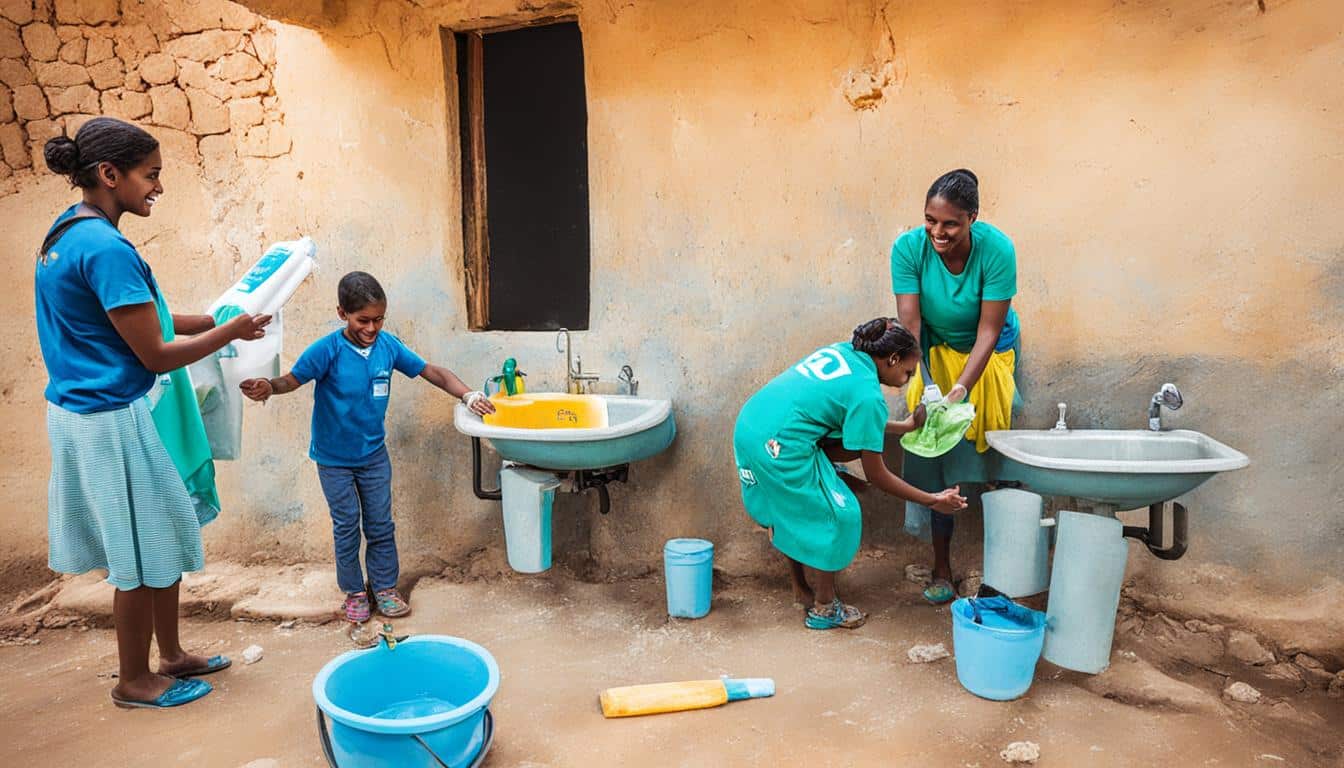
As one of the cornerstones of hygiene practices, handwashing stands out for its efficacy and simplicity in bolstering public health and ensuring safety. The act, when performed regularly, plays an instrumental role in disease prevention, helping to curb the spread of a vast array of infectious pathogens. Whether in the home, educational institutions, healthcare settings, or within the broader community, consistent hand hygiene is a key defense against the transmission of illnesses.
The impact of handwashing extends beyond individual health, influencing the wellbeing of populations at large. Scientific studies affirm that proper handwashing with soap and water can lead to significant reductions in occurrences of diseases such as diarrhea and respiratory infections. This tangible reduction is a testament to the effectiveness of hand hygiene as a preventative measure. Not only does handwashing promote safety, but it also fosters a culture of health awareness and responsibility.
Let’s delve into the evidence that underlines hand hygiene as a pivotal public health tool:
- Reduction in diarrhea-related illness rates by up to 40%.
- Lowered risk of respiratory infections by approximately 20%.
- Decrease in skin and eye infections, reinforcing the broad-spectrum benefits of this practice.
Apart from individual health, the impact of handwashing on healthcare facilities is substantial. For instance, it is a fundamental practice for preventing healthcare-associated infections (HAIs), which are significant threats to patient safety. Handwashing serves as an essential component in healthcare protocols, highlighting the interconnectedness of personal hygiene and overall facility hygiene practices.
Consequently, understanding and promoting the importance of handwashing is a cornerstone in strengthening public health infrastructure and communal safety. Education and advocacy on hand hygiene are necessary for creating long-lasting behavioral changes that can lead to a healthier society. The alliance of individual efforts in maintaining hand cleanliness can create a ripple effect in disease prevention, echoing the sentiment that simple actions can lead to impactful health benefits.
Government Advocacy for Sanitation and Its Broader Implications
Efforts in government advocacy for sanitation are pivotal for advancing public health. Topical public policies catalyze changes fostering hygiene practice adoption at all societal levels. As we delve into this discussion, we spotlight the multifaceted role of policy-making in hygiene, the vital nature of intersectoral collaboration in health promotion, and tangible case studies that encapsulate the journey from strategic conception to successful implementation.
The Role of Public Policy in Hygiene Practice Adoption
Public policy stands as a bedrock nurturing the seeds of hygiene consciousness within communities. Legislative frameworks and incentives have proven their mettle in instituting practices that uphold sanitation. Regulations that mandate hygiene standards in public venues, schools, and workplaces are instrumental, not merely as guidelines but as transformative agents altering the hygiene landscape.
Fostering Intersectoral Collaboration for Health Promotion
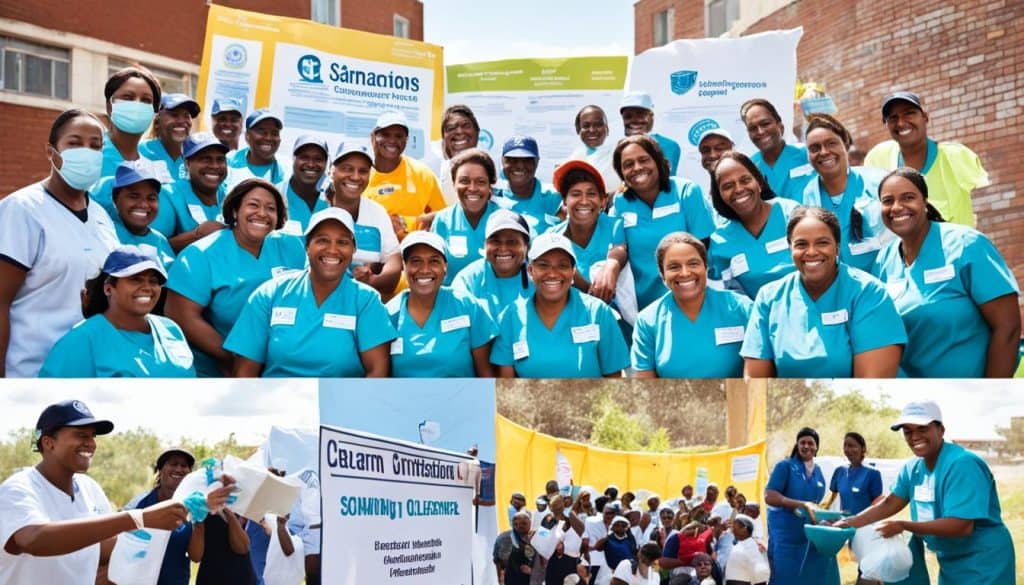
No single entity achieves health promotion in a vacuum. It demands an orchestrated effort uniting governments, NGOs, and the business sector. These entities magnify their impact through strategic alliances, pooling resources for campaigns focused on hygiene awareness and practice. Such intersectoral efforts are critical in reaching diverse audiences and embedding lasting changes in societal behavior and attitudes toward sanitation.
Case Studies: Success Stories in Hygiene Practice Implementation
These narratives are not simply stories; they are blueprints for triumph over sanitation challenges. Carefully curated case studies spotlight successful hygiene programs, pinpointing the underpinnings of effective government advocacy and the ripple effects on communities. They stand testament to the power of well-crafted public policy and cross-sector cooperation in crafting a healthier world.
| Case Study | Key Strategies | Impact |
|---|---|---|
| Urban Sanitation Drive | Public-Private Partnerships, Community Education | Significant drop in waterborne diseases |
| Rural Hygiene Initiative | Grassroots Movement, Government Subsidies | Enhanced rural hygiene practices |
| Schools Clean Hand Campaign | Policy Reform, Structured Curriculum | Improved attendance and wellbeing |
Which of These Government Programs Encourage Hygiene Practices
Gleaning insights from prior discussions, it’s evident some government programs are markedly impactful in fostering hygiene practices that enhance public health and safety. Integration of efforts by the USAID’s Global Health Bureau, coupled with their global handwashing initiatives, has been instrumental in raising awareness and changing behaviors on a global scale. Infrastructure improvements, notably in providing access to clean water and proper sanitation facilities, have served as the keystone for advancing hygiene, underlining the importance of tangible resources in supporting health initiatives.
Further analysis reveals that public health initiatives emphasize the power of education as a tool to influence societal norms and behaviors. Public policy, coupled with advocacy for sanitation, has broadened the reach and efficacy of such programs, shaping an environment where hygiene is not merely an individual responsibility, but a collective commitment. The case studies examined assert that success in hygiene practice adoption has often hinged on intersectoral collaboration, wherein various sectors synergistically promote consistent and clear messages about hygiene importance.
The synthesis of these findings illuminates a common thread among successful government programs: the ability to encourage hygiene practices that prioritize both immediate and lasting improvements in public health and safety. Government programs that excel interweave strategic policy development, community engagement, and education, fostering a culture where healthy behaviors thrive. This comprehensive understanding lays the groundwork for further efforts and emphasizes the role of these programs as cornerstones in the ongoing quest for enhanced public hygiene and health.
FAQ
What are some government programs that encourage hygiene practices?
How do public health initiatives promote hygiene practices?
What is the impact of handwashing on public health and safety?
How does government advocacy contribute to sanitation and hygiene practices?
What are some examples of successful hygiene practice implementation?
Source Links
- https://www.numerade.com/ask/question/question-5-of-5-3-points-which-of-these-government-programs-encourage-hygiene-practices-apex-a-sewage-treatment-programs-b-drug-regulation-c-physical-fitness-campaigns-d-nutrition-education-53817/
- https://www.numerade.com/ask/question/which-of-these-government-programs-encourage-hygiene-practices-a-sewage-treatment-programs-b-physical-fitness-campaigns-c-nutrition-education-d-drug-regulation-89332/
- https://healizm.com/hygiene-practice/