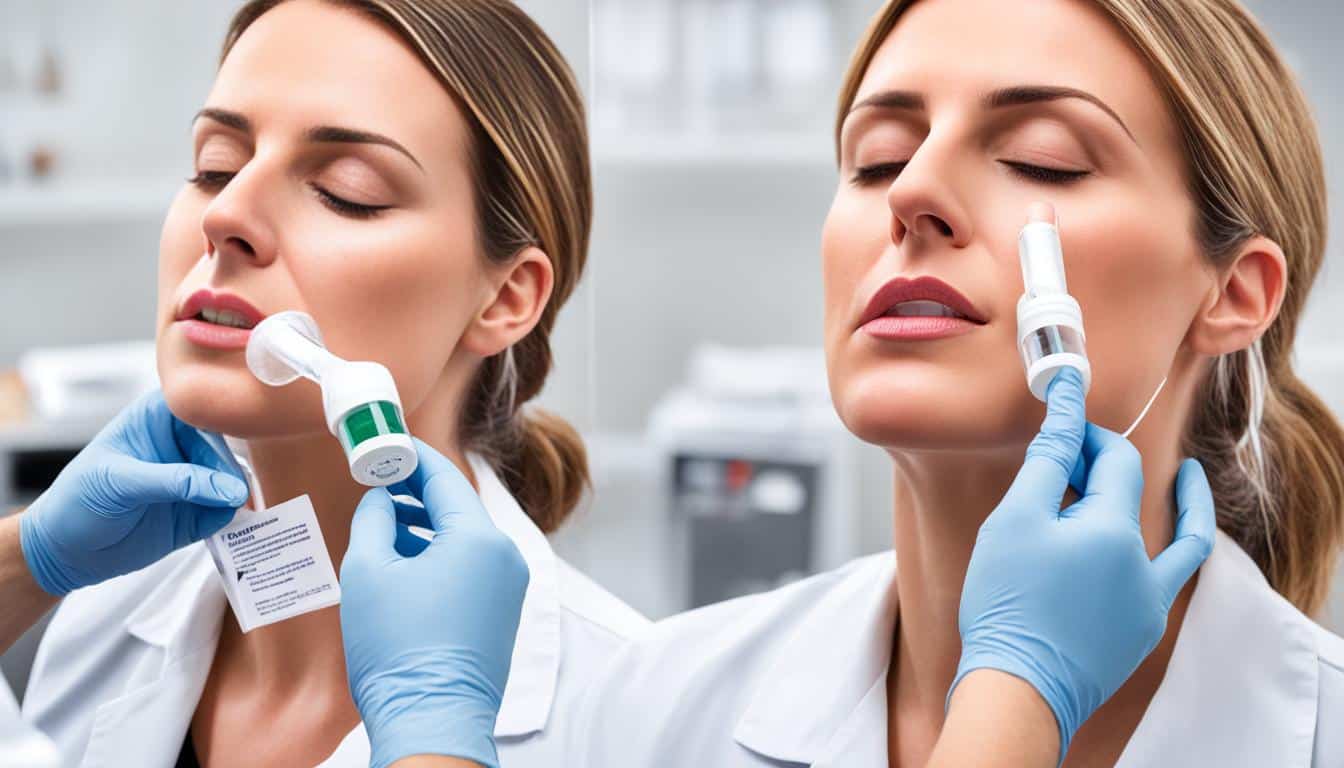
The administration of naloxone is an indispensable component of basic life support (BLS) when responding to opioid overdoses. As a potent reversal medication, naloxone quickly counteracts life-threatening depressions of the central nervous system and respiratory function caused by opioids. Knowing the common administration routes for naloxone in BLS is critical for effective intervention. These routes are carefully selected based on their rapid delivery and accessibility, ensuring that responders can efficiently administer the drug to the patient in need.
In an emergency, the method of naloxone administration could make the difference between life and death. The strategies developed around this key reversal medication are essential in providing immediate assistance to individuals experiencing an opioid overdose. For professionals and laypersons alike, understanding these methods aligns with the overarching goal of BLS— to offer prompt, life-saving care in urgent situations.
Key Takeaways
- Naloxone administration is a life-saving intervention in opioid overdose cases.
- Basic life support procedures prioritize quick and efficient naloxone delivery.
- Choosing the proper naloxone administration route is crucial in emergency settings.
- Responders must be trained in naloxone administration techniques to ensure the best outcomes.
- Accessibility and speed are key factors in determining the method of naloxone delivery.
What Are Common Administration Routes for Naloxone in BLS?
In the milieu of Basic Life Support (BLS), the rapid administration of naloxone can mean the difference between life and death for individuals experiencing an opioid overdose. Understanding the available routes of administration is essential for effective intervention. Let’s explore the prevalent methods of delivering this life-saving medication.
Intranasal Administration: A Preferable Option for BLS
Intranasal administration of naloxone is frequently a go-to option in emergency scenarios due to its ease of use and non-invasive nature. With minimal training, even lay rescuers can administer the medication, making it an invaluable asset in the BLS arsenal.
The importance of opting for intranasal administration lies in its simplicity and swiftness. When time is critical, this route enables the fast absorption of naloxone through the mucous membranes of the nose, providing a rapid response that can quickly counteract the effects of opioids.
Injection Alternatives: Intramuscular, Subcutaneous, and Intravenous
Beyond intranasal delivery, there are injection alternatives that cater to various levels of urgency and expertise in administration. Each route has distinct implications for absorption rate and ease of administration.
- Intramuscular: This route involves injecting directly into a muscle, typically the thigh or upper arm, allowing for quick absorption without the need for intravenous access.
- Subcutaneous: Administered under the skin, subcutaneous injections offer another alternative, particularly when intramuscular facilities are not readily available.
- Intravenous: For medical professionals, the intravenous route provides the fastest delivery of naloxone into the bloodstream, but it requires skill and equipment.
The suitability of injection alternatives like intramuscular, subcutaneous, or intravenous administration heavily depends on the rescuer’s proficiency and the immediate resources.
| Administration Route | Speed of Absorption | Level of Training Required | Suitability for BLS Settings |
|---|---|---|---|
| Intranasal | Fast | Minimal | Highly Suitable |
| Intramuscular | Quick | Moderate | Suitable |
| Subcutaneous | Moderate | Moderate | Variable |
| Intravenous | Rapid | Advanced | Less Suitable |
In conclusion, common administration routes for naloxone in BLS scenarios such as intranasal administration and injection alternatives—whether intramuscular, subcutaneous, or intravenous—play a critical role in providing a timely response to opioid overdoses. The selection of the appropriate method should align with the individual’s situation and the responder’s skill set to ensure the best possible outcome.
The Critical Role of Naloxone in Opioid Overdoses
In the battle against the opioid crisis, naloxone has emerged as a cornerstone in the arsenal of life-saving tools. This medication holds unparalleled importance in the immediate intervention during opioid overdoses, offering quick overdose reversal and a chance to save countless lives. As overdose rates continue to be a public health emergency, the strategic use of naloxone is more critical than ever.
Opioids, particularly in excessive amounts, have the potential to depress the respiratory system, leading to fatal outcomes. The swift administration of naloxone during these critical moments can reverse opioid-induced respiratory depression, essentially restoring breathing and consciousness. The availability of this life-saving medication has become a vital element in community and emergency medical settings alike.
- The administration of naloxone has proven effective in various community-based programs, demonstrating its role in empowering bystanders and first responders to act swiftly during overdose emergencies.
- Opioid overdose survivors often owe their second chance at life to the timely use of naloxone, underscoring its ability to bridge the gap between overdose and emergency medical care.
- Increased accessibility and training on naloxone use are pivotal steps towards diminishing the fatalities linked with the opioid crisis. Making naloxone available over-the-counter has further solidified its position as a critical response to opioid overdoses.
| Factor | Impact on Opioid Overdose |
|---|---|
| Respiratory Depression | Naloxone’s ability to target and reverse respiratory suppression |
| Accessibility | Broader distribution of naloxone kits to the public and first responders |
| Education | Community training sessions increasing public readiness to administer naloxone |
| Legislation | State laws supporting naloxone prescription and use by non-medical personnel |
By integrating naloxone into emergency protocols and public health initiatives, we take an active stance in confronting the opioid crisis. Empowering individuals with the knowledge and tools to administer this overdose reversal medication is not just an initiative—it is a moral obligation to safeguard our communities. As we continue to face the challenges of opioid overdoses, naloxone remains a beacon of hope and a testament to modern medicine’s capability to avert preventable deaths.
Optimizing Efficacy: Understanding Dosages and Naloxone Lifespan
In the crucial task of maximizing effectiveness during opioid overdose reversal, understanding the dosages and naloxone lifespan is paramount. As a key component of the opioid overdose crisis response, naloxone’s efficacy is highly dependent on its administration in dosages that align with established medical recommendations. The effectiveness of this life-saving intervention rests on the precision with which first responders and medical professionals deploy the drug, adhering to local dosing protocols that have been carefully crafted to ensure both safety and efficacy.
Given the fact that naloxone has a shorter half-life than many opioids, the medication might require multiple administrations in certain scenarios to sustain its opioid-blocking effects. A single dosage may prove insufficient due to the potency and extended duration of some synthetic opioids. Consequently, the process of opioid overdose reversal often involves a vigilant observation and, if needed, additional doses of naloxone to maintain its life-preserving action until the threat of overdose subsides or until further medical assistance is provided.
To facilitate the efficacy of naloxone, understanding its pharmacokinetics is essential—specifically, how long the drug effectively remains in the system. This insight informs the timing of potential repeated administrations, a practice that is vital when managing a crisis where the opioid involved may outlast the initial dose of the reversal agent. By grasping both the required dosages and naloxone lifespan, caregivers maximize this medication’s benefits, ensuring opioid overdose victims receive the best possible chance for recovery.