how can bureaucracies pose a challenge to democratic governance?
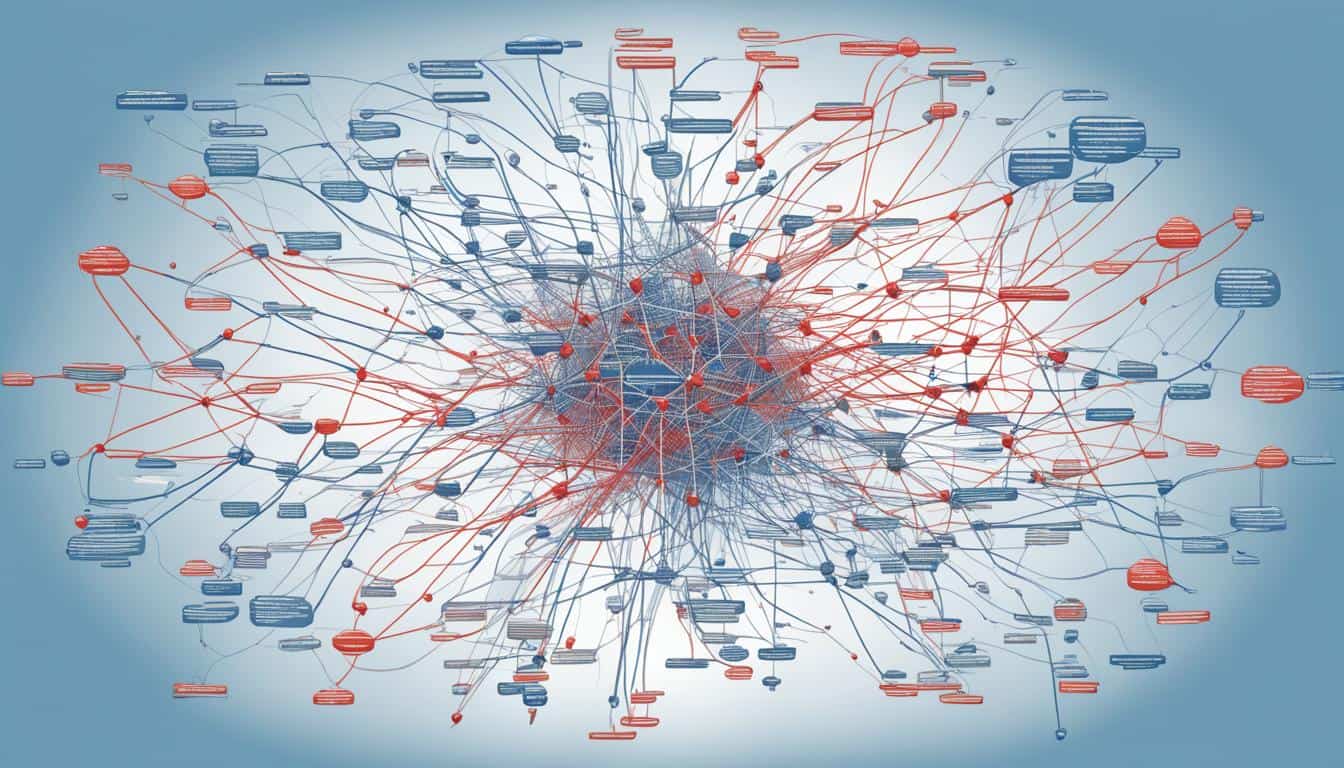
The architecture of modern governance is complex, with multiple layers operating within it. Central to its functioning are the bureaucracies – vast networks of agencies and departments entrusted with executing the policies enacted by elected officials. However, the relationship between bureaucracies and democratic governance is fraught with inherent challenges that can affect the effectiveness and integrity of public administration.
The Dynamics of Bureaucratic Power and Policy Implementation
The ‘principal-agent’ dilemma is emblematic of the intricate dance between elected representatives and the bureaucrats who carry out their directives. Despite being created to serve the public interest, bureaucracies sometimes wield their power to forward agendas that deviate from that of policymakers and the citizens. This misalignment can lead to a distortion in policy implementation, with bureaucrats occasionally steering policies in directions that cater to their expertise or biases. Grasping the dynamics of this bureaucratic power is critical for ensuring that it complements rather than complicates democratic governance.
IRS Case Study: Political Bias and Influence in Bureaucratic Organizations
An analysis of the Internal Revenue Service (IRS) serves as a stark reminder of the potential for political influence within bureaucratic structures. Allegations of the IRS targeting political groups highlight the risk of bureaucracies operating with bias, shaking the trust that is foundational to democratic governance. It’s a clear indication that while bureaucracies are necessary for governance, they must be diligently monitored to safeguard against the abuse of power for political gains.
Ensuring Bureaucratic Accountability and Neutral Law Enforcement
To address these challenges, a multifaceted approach is necessary to foster bureaucratic accountability and neutral law enforcement. Measures including rigorous oversight, merit-based advancement, and transparent processes are vital in cultivating an environment where bureaucracies function as impartial executors of democracy. Instilling a culture of accountability within these institutions is further imperative to resist any inclinations towards biased or self-serving governance.
Evolution of the American Bureaucracy and Impacts on Governance
As a cornerstone of modern governance, the American bureaucracy has significantly evolved, presenting both opportunities and challenges to the democratic process. With each phase of growth and transformation, the intricate relationships between government agencies, elected officials, and the general public have been reshaped. This evolution has profound implications for how policies are formulated and executed across the United States.
Bureaucratic Growth and the Widening Gap in Public Interaction
The expansion of the American bureaucracy over time has been nothing short of dramatic. With this growth, the interaction between citizens and their government has seen increasing complexities. The bureaucracy’s labyrinthine structure often leads to a disconnect, contributing to a reduced direct influence of the public on administrative decisions. These issues present clear hurdles that necessitate deliberate strategies to bridge the gap, hence fortifying the democratic fabric of society.
The Shift from Constitutional Law-Making to Administrative Policy
In the contemporary political landscape, power has subtly moved from the hands of those elected to represent the citizenry to bureaucrats, who now wield considerable influence over policy through administrative procedures. This paradigm shift has sparked a critical conversation about the balance between efficiency in governance and the principles of democratic accountability. A scrutiny of this transition is essential in safeguarding the democratic ethos that underpins American governance.
The intricate nature of this shift can be illustrated through a comparison of traditional constitutional law-making processes and the modern administrative approaches:
| Constitutional Law-Making | Administrative Policy |
|---|---|
| Rooted in democratic discussions and public debate | Focused on specialized expertise and pragmatism |
| Accountability through electoral processes | Accountability frequently subject to bureaucratic oversight |
| Legislation created and passed by elected representatives | Policies framed and executed by non-elected bureaucrats |
| Modifications and repeals subject to a formal legislative process | Policy changes can be made through administrative adjustments |
Understanding and managing these dynamics within the governance structures are vital to ensuring that as the bureaucracy evolves, it remains a tool for serving the public interest efficiently without compromising the fundamental democratic rights of the American populace.
Administrative Challenges and Political Failures in Policy Execution
When delving into the world of policy execution within democratic societies, it becomes glaringly apparent that a complex web of administrative and political factors can significantly obstruct the journey from policy conception to effective implementation. These deep-seated issues can undermine the principles of good governance and erode public trust in government systems.
In the labyrinth of administrative challenges, operational inefficiencies emerge as pressing impediments. These may involve cumbersome bureaucratic procedures, anachronistic systems, or inadequate technological infrastructure incapable of supporting modern policy demands. Resource constraints further exacerbate the situation, where funding gaps or misallocation lead to strained capacities and diminished service quality.
The coordination of multiple agencies and stakeholders, each with its mandates and priorities, introduces a layer of complexity that often results in fragmented or inconsistent policy application. The expectations for these agencies to function synergistically are frequently unmet, leading to conflicting approaches and understated policy outcomes.
Political failures hold a mirror to the fissures in the democratic fabric, often revealing conflicting interests between various entities and power brokers. The lack of political will to push forth substantial reforms, or to challenge entrenched interests, stunts policy innovation and curtails necessary changes. Obscured policy goals and the scarcity of adequate resources signal a disconnect between the political rhetoric and actionable governance.
Each of these factors – operational, resource-based, coordination, and political – play their part in the intricate dance of policy execution. Failure to address them not only hinders the successful deployment of policies but also raises questions about the efficacy of the democratic apparatus in responding to the needs of its citizenry.
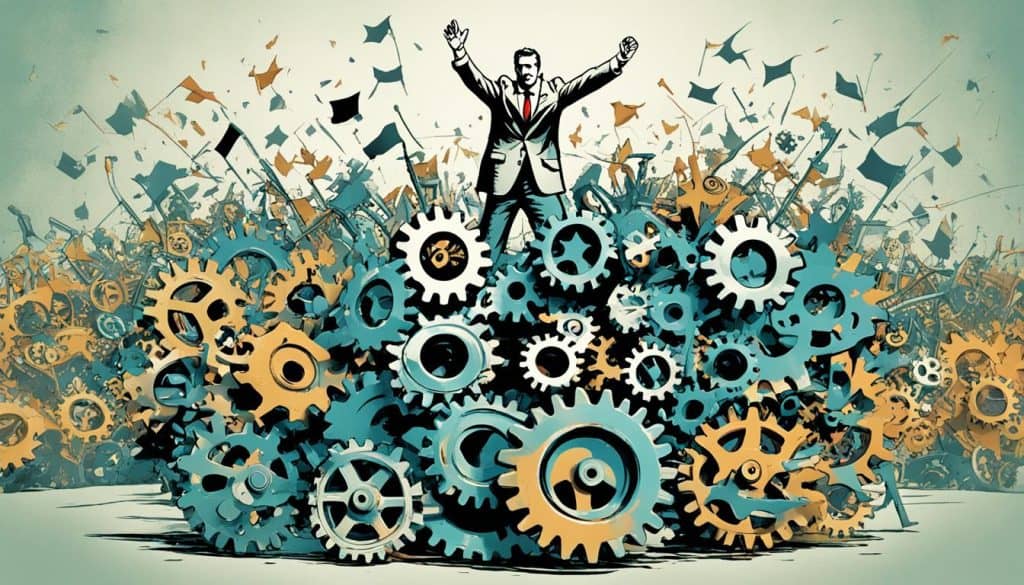
Understanding the Interplay: Appreciating the dynamic interplay between these administrative and political challenges is vital. A more nuanced understanding enables policymakers, administrators, and the public to conceive more robust strategies for overcoming the hurdles that stand in the way of sound policy execution.
- Operational Issues: Streamlining bureaucratic processes and upgrading infrastructural capabilities are crucial for operational agility.
- Resource Constraints: A transparent and accountable budgetary framework can ensure that fiscal resources are allocated efficiently and effectively.
- Coordination Across Agencies: Encouraging inter-agency communication and collaborative platforms can help align different stakeholders towards common goals.
- Political Will: Leadership that is committed to the public good over partisan interests is essential for overcoming the inertia of political failures.
To articulate these challenges and strategies into tangible improvements, a concerted effort must be made by all actors involved in the policy process. A commitment to constant evaluation, an openness to constructive critique, and a willingness to innovate are the waypoints on the path to refining policy execution within democratic governance.
How Can Bureaucracies Pose a Challenge to Democratic Governance?
As we delve into the multifaceted role bureaucracies play in democratic governance, it becomes evident that their influence is substantial and often complex. Integral to the functionality of governance, yet equally capable of challenging the democratic ethos, bureaucracies wield power that can, at times, encroach upon the principles of fair representation and impartial administration. The very structure of bureaucracies, designed for efficient policy implementation, can inadvertently create barriers to meaningful public interaction, leading to a perceived disconnect between government agencies and the citizenry they serve. This distension not only constrains the public’s ability to contribute to the democratic process but also challenges the transparency that is so vital to the health of a democracy.
Furthermore, the innate capacity for bureaucracies to exercise political bias and influence introduces a risk of politicization within non-partisan institutions. Instances of preferential treatment or selective law enforcement underscore the potential for these entities to deviate from their mandate of neutral policy execution. The equilibrium between efficiency and accountability is tenuous, requiring constant vigilance to sustain. The presence of sophisticated bureaucratic mechanisms without adequate oversight can inadvertently lead to a dilution of the electorate’s power, making the necessity for robust accountability mechanisms an undebatable imperative in bolstering the integrity of democratic processes.
Ultimately, recognizing and addressing the challenges presented by bureaucracies is fundamental to preserving the integrity and enduring function of a democratic society. In the quest to reconcile the advantages of a skilled and organized administration with the essential democratic values of fairness, transparency, and accountability, an ongoing examination and refinement of bureaucratic practices are required. As we continue to navigate the complex interplay between governance and administration, it becomes clear that the narratives of democracy and bureaucracy are inextricably linked, both offering valuable insights into the perpetual evolution of governance.