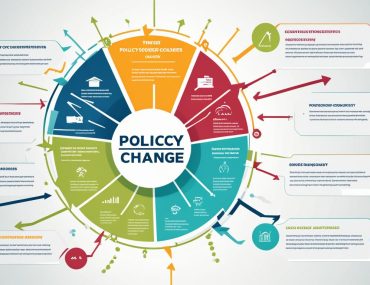
Within the realm of public health, government initiatives are instrumental in advocating for enhanced hygiene standards. Such programs are designed to elevate public awareness, provide comprehensive guidelines, and foster the development of necessary infrastructure aimed at ingraining exemplary hygiene practices within communities across the United States. These concerted efforts are pivotal in augmenting public health and ensuring the well-being of citizens through the promotion of cleanliness and disease prevention.
Key Takeaways
- Government initiatives actively shape public awareness about the importance of hygiene.
- Promotion of hygiene practices is a cornerstone for enhancing public health outcomes.
- Guidelines and support from these initiatives underpin community adherence to hygiene standards.
- Infrastructure development, as part of these programs, secures access to clean water, essential for good hygiene.
- Participation in government-initiated programs is vital for sustaining and improving collective health.
The Significance of Hygiene in Public Health
The interplay between hygiene and public health is an essential component in the global effort for disease prevention. Effective infection control measures are predominantly founded on foundational hygiene protocols, with hand hygiene being the cornerstone of these efforts. By implementing regular and thorough handwashing practices, individuals contribute vastly to reducing the spread of communicable diseases.
Hygiene practices transcend personal benefits, significantly impacting community health and easing the weight on healthcare systems. When these preventative measures are in place, the incidences of disease transmission plummet, illustrating the tremendous role that individual actions play in safeguarding the health of the public.
Recognizing the scope of this impact, governmental initiatives have focused on reinforcing the indispensable nexus between hygiene and public health through educational campaigns and policy-making. These efforts aim not only to inform but also to transform social behaviors towards more health-conscious decisions.
- Ensuring consistent access to handwashing facilities
- Promoting community-wide sanitation programs
- Integrating hygiene education into school curricula
- Supporting research into new hygiene technologies
Ultimately, the emphasis on hygiene within public health frameworks demonstrates its irrefutable value as a preventive strategy against the proliferation of diseases. As such, it is imperative that the discourse surrounding hygiene continues to evolve, integrating innovative approaches to infection control and reinforcing hand hygiene as a societal norm.
Key Government Programs Fostering Hygiene and Public Health
Effective hygiene promotion is an essential part of public health strategy in the United States. Various government programs collaborate to create and reinforce guidelines, provide support for infrastructure development, and ensure the propagation of critical hygiene practices like handwashing promotion.
Centers for Disease Control and Prevention (CDC) Guidelines
The CDC is instrumental in establishing CDC guidelines that provide a comprehensive framework for healthcare providers and the community at large. These guidelines encompass a broad spectrum of topics including hand hygiene, sterilization procedures, and strategies for preventing the transmission of infectious diseases.
USAID’s Global Health Bureau and Handwashing Promotion
Through the efforts of the Global Health Bureau, USAID plays a pivotal role in international hygiene promotion. USAID’s initiatives to encourage handwashing promotion do not just stop at education; they extend to the financial and technical support of programs designed to foster lasting changes in hygiene behaviors.
Infrastructure Development for Clean Water Access
Infrastructure development is a major component in ensuring widespread clean water access, which is a precursory necessity for proper hygiene practices. By investing in infrastructure, the government facilitates access to the resources needed for communities to maintain high standards of cleanliness and health.
| Program | Purpose | Impact |
|---|---|---|
| CDC Guidelines | Standardize and promote effective hygiene practices | Enhanced infection control across public and private healthcare settings |
| USAID Handwashing Promotion | Improve global hygiene habits and awareness | Reduced disease transmission and improved health outcomes |
| Infrastructure Development | Ensure clean water accessibility for hygiene | Greater opportunity for communities to engage in healthy hygiene practices |
which of these government programs encourage hygiene practices?
Gathering insights about how government programs effectively promote and support sound hygiene practices can enlighten both individuals and communities regarding the significance of good hygiene. The following sections highlight several key programs that are instrumental in advancing the hygiene agenda across the nation.
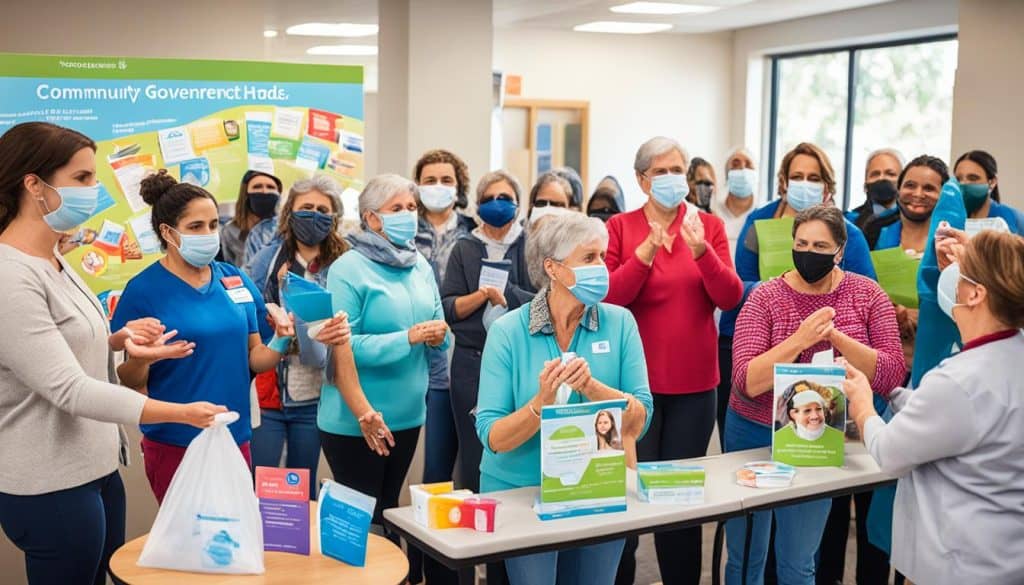
Integral in creating platforms for hygiene education and improvements, these programs drive the message of health preservation forward. Whether it’s through setting national guidelines or supporting international efforts, they embody the dedication towards fostering a healthier society.
- Centers for Disease Control and Prevention (CDC) — offering a comprehensive set of guidelines that serve as a benchmark for optimal hygiene conduct
- USAID’s Global Health Bureau — promoting hand hygiene on a global scale to reduce disease transmission
- Development Projects — focusing on the provision of clean water access, vital for maintaining basic hygiene standards
Each initiative plays a unique yet complementary role in the overarching goal of promoting health through improved hygiene. Below is a table that illuminates the specific contributions of these government-backed programs to hygiene practices.
| Government Program | Focus Area | Method of Promotion |
|---|---|---|
| CDC Guidelines | Hygiene Standards | Educational Material and Guidelines |
| USAID’s Handwashing Promotion | Global Health | Campaigns and Initiatives |
| Infrastructure for Clean Water | Access to Resources | Development Projects and Partnerships |
Through the synergetic efforts of these programs, a more informed and health-conscious citizenry emerges, empowered to take vital steps towards maintaining and improving personal and public hygiene standards nationwide.
Maximizing the Social and Health Benefits of Hygiene Practices
The inherent value of hygiene practices extends far beyond personal well-being, playing an instrumental role in the disease prevention framework that benefits society at large. The ripple effect of robust hygiene habits is clear—when individuals practice regular handwashing, the rate of disease transmission decreases significantly. This simple yet effective action not only curtails the spread of infections but also safeguards resource allocation within healthcare systems. In communities where good hygiene is the norm, residents often experience fewer outbreaks and less disease-related absenteeism from schools and workplaces.
Exploring the health benefits of hygiene, it becomes evident that these practices are imperative for maintaining the overall health of a population. Public health campaigns underscore the importance of hygiene as a preventive measure against a wide array of illnesses. By ingraining habits such as handwashing, communities can tremendously reduce the incidence rates of respiratory and gastroenteric diseases, among others. The emphasis on cleanliness extends to environmental considerations as well, prompting a broader consciousness around maintaining sanitary living conditions.
To truly harness the social benefits that come with impeccable hygiene, there needs to be a concerted drive towards education and awareness. Government programs have a pivotal role in fostering this environment by offering accessible information and facilitating community partnerships. In these partnerships, each member takes on a shared responsibility, not only to abide by hygiene standards but to actively participate in public health education initiatives. By doing so, we create a supportive infrastructure that bolsters the collective well-being and instills a culture that values and prioritizes healthful living. Ultimately, the interplay between individual actions and systemic support forms the cornerstone of advancing hygiene practices and their associated social and health benefits.
FAQ
Which government programs encourage hygiene practices?
What is the significance of hygiene in public health?
What are the key government programs fostering hygiene and public health?
What do government programs do to promote and support hygiene practices?
What are the social and health benefits of hygiene practices?
Source Links
- https://www.numerade.com/ask/question/question-5-of-5-3-points-which-of-these-government-programs-encourage-hygiene-practices-apex-a-sewage-treatment-programs-b-drug-regulation-c-physical-fitness-campaigns-d-nutrition-education-53817/
- https://www.numerade.com/ask/question/which-of-these-government-programs-encourage-hygiene-practices-a-sewage-treatment-programs-b-physical-fitness-campaigns-c-nutrition-education-d-drug-regulation-89332/
- https://healizm.com/hygiene-practice/