Keeping your driving record free from speeding tickets is not only about obeying traffic laws; it also holds significant benefits for your automobile insurance policy. Avoiding speeding tickets is a proactive step towards ensuring that your car insurance premiums remain affordable, and your coverage terms favorable. A clear understanding of how a violation can affect your insurance can incentivize safe driving habits and contribute to considerable financial savings over time.
Key Takeaways
- Avoiding speeding tickets can lead to lower automobile insurance premiums.
- A clean driving record portrays you as a lower-risk individual to insurers.
- Understanding the consequences of speeding violations empowers you to maintain favorable insurance terms.
- Responsibly managing your driving behavior is pivotal in safeguarding your financial interests in regards to insurance policies.
- Insurance companies value and reward drivers who demonstrate a commitment to traffic laws and safety regulations.
The Financial Consequences of Speeding Tickets on Car Insurance Rates
Receiving a speeding ticket is more than just a minor inconvenience; it carries financial consequences that ripple through your car insurance rates. Understanding the direct cost impact and the various factors influencing rate increases after a speeding violation is crucial for every driver. It is also essential to recognize the state-by-state variation in how these traffic infractions can adjust your insurance expenses.
Direct Cost Impact of Speeding Tickets
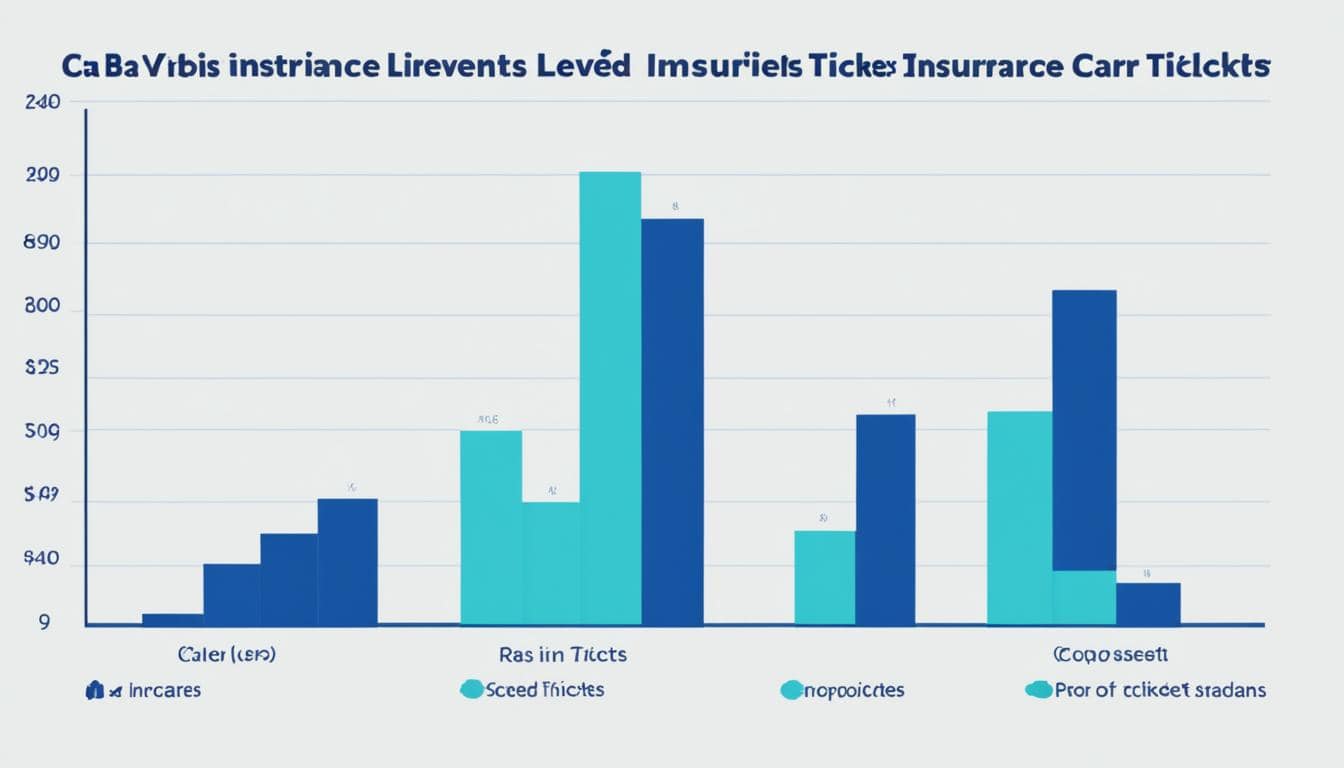
The financial repercussions of speeding tickets on car insurance rates manifest predominantly through higher premiums. When insurers assess risk, a speeding ticket is a red flag, signaling that the driver is more likely to be involved in an accident. Progressive’s research highlights that a single speeding ticket can inflate auto insurance rates by an average of 15% for first-time offenders within a three-year window, marking a considerable direct cost impact on consumers.
Factors Influencing Insurance Rate Increases Post-Speeding Violation
Determining the increase in car insurance rates post-speeding ticket is not a one-size-fits-all scenario. Several key factors dictate the magnitude of the hike. These include:
- Age of the driver, with younger drivers typically facing steeper increases
- Type of vehicle being insured, as high-performance cars may incur higher penalties
- The driver’s previous driving record, with a clean history potentially mitigating the rise
- The severity of the speeding offense, where extreme cases lead to more significant impacts
Each of these factors cumulatively weighs on the final rate adjustment, painting a personalized financial picture post-violation.
State-by-State Variation in Rate Adjustments
Notably, where you live plays a pivotal role in how a speeding ticket affects your insurance premiums, introducing a significant state-by-state variation. Insurance regulations differ across the United States, with each state having the autonomy to dictate how violations like speeding tickets influence insurance policies. Consequently, a ticket acquired in one state can have a dramatically different impact on car insurance rates compared to another.
Drivers must navigate these regulations and stay informed about their state’s specific guidelines and the potential financial consequences they could face with each speeding ticket. From the East Coast to the West, the variability in rate adjustments serves as a reminder of the complex web of factors at play in the domain of car insurance.
How Can Avoiding Speeding Tickets Affect an Automobile Insurance Policy?
When drivers focus on avoiding speeding tickets, they are not only adhering to traffic laws but also engaging in behavior that positively affects their automobile insurance policy benefits of maintaining a record clear of speeding violations extend beyond the immediate avoidance of fines and penalties. These benefits often translate into financial savings and a more favorable policy standing with insurance providers. Consider the following table that outlines the impact of a clean driving record.
| Aspect of Automobile Insurance Policy | Benefit of Avoiding Speeding Tickets |
|---|---|
| Premium Costs | Lower insurance premiums due to classification as a lower-risk driver |
| Coverage Options | Access to more competitive policy options and coverage enhancements |
| Renewal Terms | More favorable renewal terms and potential for loyalty discounts |
| Risk Assessment | Improved risk profile leading to better interactions with the insurer |
The data makes it clear that avoiding speeding tickets contributes to a healthier relationship with your insurer, often resulting in reduced premium costs. Moreover, it positions you as a conscientious driver who is less likely to file a claim, thereby potentially offering you more desirable renewal terms and a broader range of coverage options.
Strategies to Mitigate Insurance Premium Increases After Speeding
Receiving a speeding ticket can be a significant financial setback, especially when considering the potential uptick in your auto insurance rates. To mitigate insurance premium increases following a speeding violation, drivers have several strategies at their disposal. One of the first steps is to determine eligibility for traffic school. Many states offer this option, which can prove instrumental in preventing points from being recorded on your driving history. Successfully completing a traffic school course might not only keep your slate clean but also send a positive message to your insurer about your dedication to safe driving.
Another effective method to manage the consequences of a speeding incident is enrolling in a defensive driving course. Insurance companies often view this proactive approach favorably and may reward your effort with a discount on your insurance premium. These courses delve into advanced safe driving techniques and refresh your knowledge of traffic laws, further cementing your commitment to avoiding future violations. By demonstrating that you’re actively working to improve your driving habits, you might be able to negotiate with your insurance provider for reduced rates, thereby softening the blow of the initial ticket.
While these strategies can help, it’s crucial to maintain an open line of communication with your insurance provider after a speeding ticket. Discussing your options transparently can potentially unveil additional avenues to reduce your premium, such as bundling policies or taking advantage of other discount programs for which you may be eligible. Remember, insurance companies appreciate responsible and proactive policyholders, so take the initiative to explore all the strategies at your disposal to safeguard your wallet and your driving record.
FAQ
How can avoiding speeding tickets affect an automobile insurance policy?
What are the financial consequences of speeding tickets on car insurance rates?
What factors can influence insurance rate increases after a speeding violation?
Do insurance rate adjustments vary by state after a speeding violation?
How can avoiding speeding tickets affect an automobile insurance policy?
What strategies can I employ to mitigate insurance premium increases after a speeding violation?
Source Links
- https://www.idrivesafely.com/defensive-driving/trending/how-do-speeding-tickets-affect-your-insurance
- https://www.fool.com/the-ascent/insurance/auto/speeding-tickets-affect-car-insurance/
- https://www.capitalone.com/cars/learn/managing-your-money-wisely/how-do-speeding-tickets-affect-your-car-insurance-rate/1702