
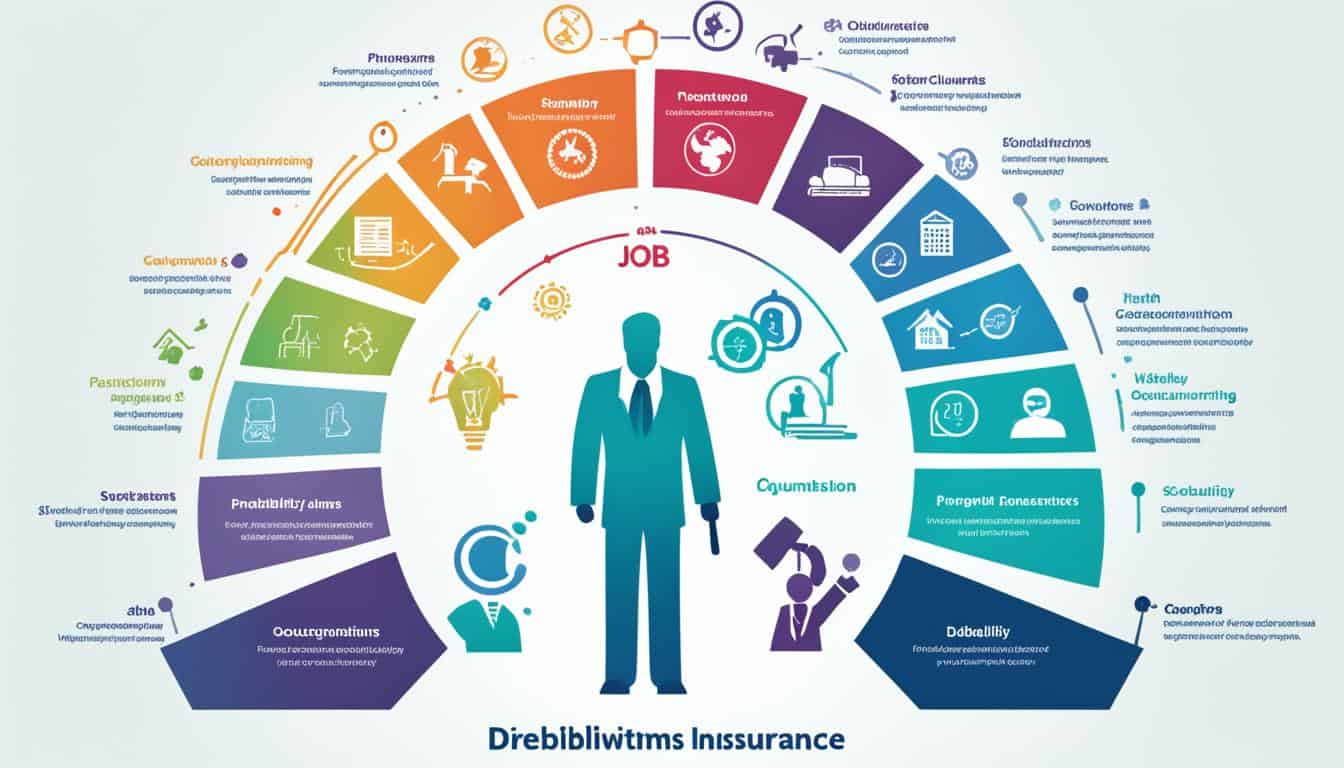
When navigating the specifics of disability income policy underwriting, the key factor most often used to assess and formulate coverage plans is the applicant’s income. Understanding this element is vital in understanding disability policy underwriting as it directly influences the extent of coverage provided and premiums required. This approach ensures both the policyholder’s needs and the insurer’s risk management protocols are met with precision and care.
Key Takeaways
- An individual’s income is the primary aspect considered during disability income policy underwriting.
- A thorough understanding of underwriting can elucidate why certain policies are structured in specific ways.
- Income assessment helps determine policy eligibility, potential coverage amounts, and premium affordability.
- The underwriting process is designed to balance the insurance needs of the individual with the insurer’s risk.
- Careful evaluation of income ensures policyholders are neither over-insured nor under-insured.
The Core of Disability Insurance Underwriting: Occupation Classification
Understanding the intricacies of disability insurance underwriting begins with the analysis of occupation classification. This pivotal element stratifies jobs into categories, reflecting the associated job duties and risk profile inherent to each profession. Insurers meticulously evaluate this classification since it directly influences underwriting decisions and policy premiums.
How Job Duties Influence Your Risk Profile
It is not just the job title that underwriters scrutinize, but the job duties and risk profile that accompany it. High-risk professions with arduous physical demands or hazardous working environments lead to a more rigorous assessment by underwriters, potentially resulting in higher premiums or coverage restrictions for the insured party.
The Significance of Employment History and Income in Underwriting
The depth of an applicant’s employment history and income provides valuable context during the underwriting process. Continuous and stable work history often reflects favorably when securing disability insurance, as it offers insurers a reliable income track to gauge the insurance needs and protections warranted for the individual.
Occupational Risk: The Impact of Industry Claim Histories
Another key element is the occupational risk associated with an individual’s job classification. Insurers consider the claim histories of different industries, noting the frequency and severity of past claims, to predict future risks. This historical data can affect underwriting outcomes, influencing the terms and conditions of the insurance policy offered.
The Factor Used Most Often When Underwriting a Disability Income Policy Is
Understanding the intricacies of disability income policy underwriting is critical for both insurers and policy seekers. A key factor in underwriting disability income insurance is evaluating an individual’s current income level. Income not only influences the potential benefit amount but also aids in determining policy eligibility. It’s a pivotal component that insurance underwriters scrutinize rigorously to ascertain the adequacy of coverage and premium payments’ affordability.
To better comprehend how underwriters approach policyholders’ income, consider the following points:
- An individual’s income serves as a benchmark for the maximum disability benefit they can receive.
- Assessment of income establishes a foundation for the premium structure, reflecting the risk and potential payout.
- Consistency and stability of income are examined to ensure the policy’s viability in long-term scenarios.
The table below displays how different income levels can influence the terms of disability income policies:
| Annual Income Range | Maximum Benefit Allowed | Sample Premium Range |
|---|---|---|
| $30,000 – $50,000 | Up to 60% of monthly income | $25 – $45 per month |
| $50,001 – $75,000 | Up to 65% of monthly income | $46 – $70 per month |
| $75,001 – $100,000 | Up to 70% of monthly income | $71 – $100 per month |
| $100,001 and above | Up to 75% of monthly income | $101 and above per month |
It is evident from the table that underwriters prioritize the alignment of coverage with the policyholder’s financial profile. This ensures that in the event of a disability, the benefit provided is proportionate and appropriate to the lifestyle and needs that their income supports, making disability income policy underwriting a tailored process that significantly hinges on individual circumstances.
Financial Considerations in Disability Policy Underwriting
The realm of disability policy underwriting is complex, with several factors weighing in to ensure the fair calculation of premiums and benefits. One such intricate aspect is the array of financial considerations taken into account. Underwriters must evaluate an individual’s fiscal details, not only to gauge the appropriate level of income protection but also to prevent the prospects of being over-insured or under-insured. This scrutiny is essential primarily because it impacts the prospect of premium affordability and the subsequent sustainability of the disability insurance.
It stands to reason that for individuals with higher income, the stakes are significantly elevated. In these cases, underwriters must delicately balance the scale to ensure that benefit payments align with the individual’s earnings while considering the heightened premiums that naturally accompany increased coverage. The evaluation does not end with current income. An individual’s financial stability, including the liquidity of their assets and any supplemental earnings from diverse sources, molds the underwriting process. Such comprehensive analysis ensures that the safety net of disability insurance is both reasonable and robust, guarding against future financial vulnerability.
Ultimately, the intricate dance of premium affordability versus adequate coverage levels is a hallmark of prudent disability policy underwriting. This balancing act is not only a measure of an underwriter’s acumen but also a testament to an insurance provider’s commitment to sustaining the promise of security for which customers are investing. As these financial considerations are meticulously woven into the fabric of underwriting guidelines, they hallmark the industry’s dedication to securing tailored and trustworthy income protection for every policyholder.
FAQ
What is disability insurance underwriting?
How does occupation classification impact disability insurance underwriting?
How do job duties influence an individual’s risk profile in disability insurance underwriting?
What is the significance of employment history and income in disability insurance underwriting?
How does occupational risk impact disability insurance underwriting?
What is the most important factor in determining eligibility for a disability income policy?
How do financial considerations factor into disability policy underwriting?
Source Links
- https://www.policygenius.com/disability-insurance/disability-insurance-financial-underwriting/
- https://www.bookmarkeducation.com/Documents/CA/Insuring Commercial Risks/Chapter 5 – Disability Insurance And Long Term Care Insurance.htm
- https://www.guardianlife.com/disability-insurance/how-disability-insurance-works


