Policy delivery represents a critical phase where insurers provide clients with the necessary documents that define the coverage details of their insurance policy. In essence, it’s a transfer of information that empowers clients with knowledge of their purchased insurance. Understanding policy delivery is therefore pivotal for policyholders to ensure they are adequately informed and able to utilize their coverage effectively.
Introduction to Insurance Policy Delivery
When it comes to purchasing insurance, policy delivery is more than just a simple transaction; it’s a comprehensive process that equips clients with a deeper understanding of their insurance protection. Clients and insurers both rely on the smooth facilitation of this crucial phase — one where essential details are communicated, and all terms of coverage are clearly outlined.
The Importance of Policy Delivery
Insurance is a promise of compensation for specific potential future losses. Policy delivery acts as a formal introduction to that promise, highlighting both the commitment of the insurer and the expectations for the insured. It’s an essential step that not only fulfills a regulatory requirement but also solidifies the trust between clients and insurers.
Methods of Policy Delivery
The policy delivery process has evolved, with varied delivery options now available. From traditional mail to electronic policy delivery, insurers strive to meet the needs and preferences of their clients while maintaining the integrity and confidentiality of the policy information.
Key Takeaways
- Policy delivery is a critical aspect of the insurance purchase process, as it outlines the coverage and responsibilities.
- Clients must understand policy delivery to make the most of their insurance coverage.
- Insurers must ensure the delivery of accurate and complete policy documentation.
- Policy delivery can be conducted through various methods, making it adaptable to client preferences.
- A sound understanding of policy delivery by clients helps to establish a transparent and trustworthy relationship with insurers.
Introduction to Insurance Policy Delivery
The process of insurance policy delivery marks a significant milestone in the policyholder’s journey. It represents the culmination of the underwriting process and sets the tone for the ongoing relationship between the client and the insurance company. By delivering the policy effectively, insurers reinforce the purpose of policy delivery which is chiefly to ensure clients have a concrete understanding of their coverage, terms, and the services available to them.
The Importance of Policy Delivery
Importance of policy delivery cannot be overstated as it directly impacts client satisfaction and trust. The role of policy delivery entails providing a full overview of the insurance agreement, aiding clients in recognizing their rights and obligations under the policy. This crucial step empowers policyholders to make informed decisions and take appropriate actions should the need for an insurance claim arise.
Methods of Policy Delivery
The policy delivery process has evolved with advancements in technology, leading to a diversity of methods of policy delivery accessible to clients. Insurers must consider client preferences and regulatory guidelines when choosing from various delivery options, including traditional mail or electronic policy delivery. Let’s explore the prominent delivery methods in use today:
| Delivery Method | Advantages | Considerations |
|---|---|---|
| Traditional Mail | Physical documentation, Tangibility, Perceived as official | Slower delivery speed, Risk of loss or damage |
| Electronic Delivery | Instant delivery, Environmentally friendly, Easy to archive | Requires internet access, Needs client’s digital literacy |
| Personal Delivery | Direct interaction, Immediate feedback, Personal touch | Geographic limitations, Scheduling requirements |
| Online Portal Access | 24/7 availability, User control over documents, Convenience | Security measures, Account setup needed |
This comprehensive understanding of insurance policy delivery is essential for clients to appreciate the safeguards in place designed to uphold the integrity of their insurance coverage and the insurers’ commitment to transparency and service excellence.
What is Delivered During a Policy Delivery?
When a policyholder undertakes the important step of policy delivery, they receive a suite of foundational documents that constitute the bedrock of their insurance agreement. This crucial stage in the insurance acquisition process is not only about handing over a contract—it’s about providing a comprehensive package containing all vital policy details.
Policy Document and Declarations Page
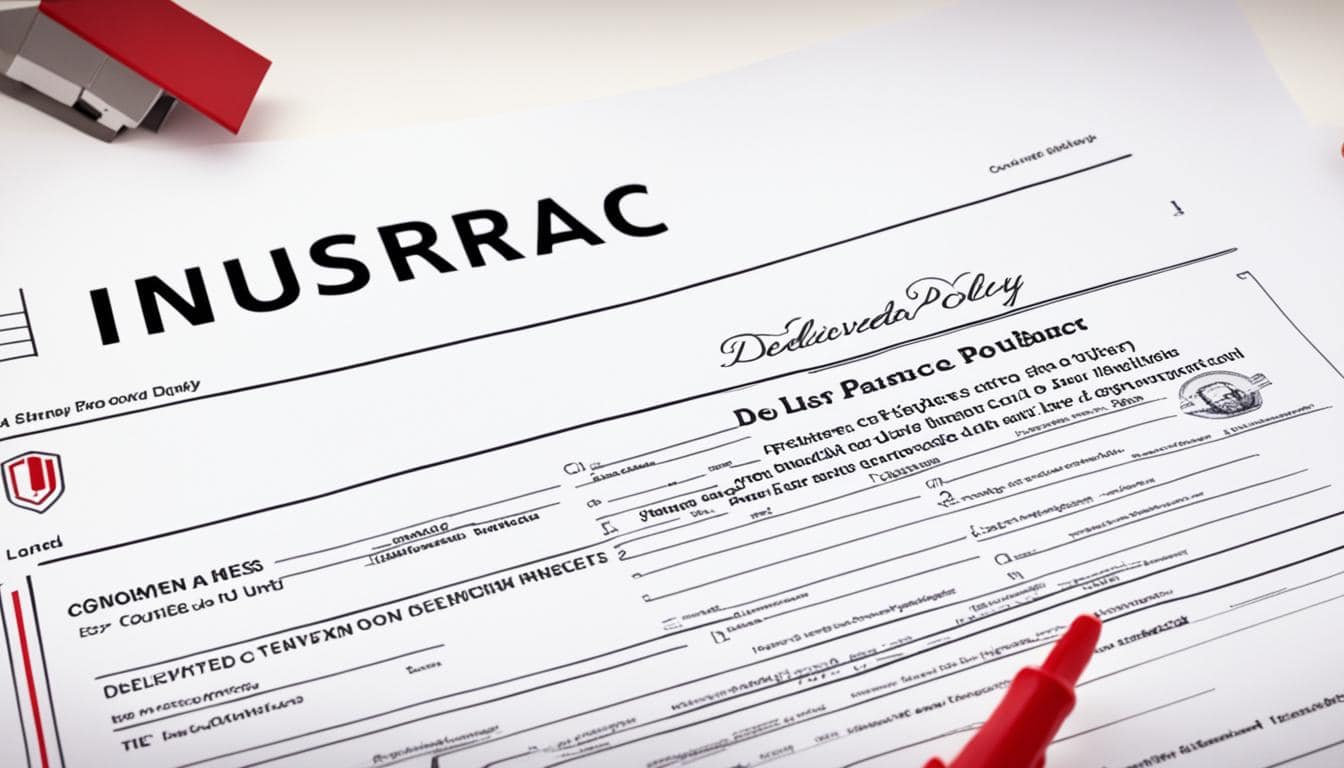
The policy document is the cornerstone of the policy delivery contents. It furnishes all policy details encapsulating the contractual terms, conditions, and the scope of coverage. Central to this document is the declarations page, which summarizes key policy information, such as the policyholder’s name, the insured entity, the policy period, coverage limits, and deductibles. Not to be overlooked, this page serves as a quick reference point for policyholders, encapsulating the essence of their policy at a glance.
Additional Documents and Information
As part of the comprehensive approach to ensure policyholders have a full understanding of their coverage, additional documents are typically provided during policy delivery. These documents may include a policy schedule, which lists all parties covered under the policy, their relationship to the policyholder, and other pertinent information such as property details, vehicles, or valuable items insured.
| Document Type | Description | Importance |
|---|---|---|
| Policy Document | Full terms and conditions of coverage | Core legal document outlining the rights and responsibilities of both insurer and insured |
| Declarations Page | Summary of the main policy information | Essential for quick reference to understand policy specifics |
| Additional Endorsements | Additions or changes to the standard coverage | Details any custom or additional protections beyond the standard policy |
| Exclusions List | Circumstances or risks not covered by the policy | Clarifies limitations of the policy to prevent misunderstandings |
To complement these documents, insurers often include a guide or brochure that explains how to file a claim, outlines the documents delivered during policy delivery, and provides contact information for customer service and support. This ensures that policyholders are equipped with all necessary resources to manage their policy effectively.

- Review the policy document in its entirety
- Confirm all personal details on the declarations page are accurate
- Understand the coverage limits and exclusions listed
- Clarify any queries with your insurance provider
It is imperative for policyholders to not only receive these documents during policy delivery but to thoroughly review them to ensure complete understanding of the coverage they have purchased. Being well-informed about the details of your policy is crucial for utilizing it effectively when needed.
Ensuring Complete and Compliant Policy Delivery
The dynamic landscape of insurance necessitates strict adherence to both state requirements and company requirements to guarantee a complete policy delivery that aligns with compliant policy delivery agendas. It’s imperative for the insurance sector to maintain a systematic approach, ensuring that all policyholders receive the requisite information in accordance with state policy delivery requirements and company policy delivery requirements.

Fulfilling State and Company Policy Delivery Requirements
In the realm of insurance, substantial emphasis is placed on policy communication, which is structured by both legislative mandates and corporate protocols. The melding of state requirements with company requirements mitigates risk and fortifies the integrity of policy delivery.
Key Documents and Information Communicated
Policy terms explanation and the disclosure of key policy details serve as the central pillars of policy conveyance. A transparent dialog must be established concerning coverage specifics, premium calculations, and the nuances of claim submission.
Below is a comprehensive breakdown of the crucial elements included in the policy delivery package:
| Document | Description | Purpose |
|---|---|---|
| Policy Declarations | Identification of parties, coverage limits, period | Confirm policy specifics and coverage validity |
| Terms and Conditions | Detailed coverage guidelines and exclusions | Clarify user rights and policy limitations |
| Privacy Notice | Insurer’s data handling practices | Ensure transparency and compliance with privacy laws |
The Role of Financial Professionals in Policy Delivery
Financial professionals possess a pivotal role in ensuring complete and compliant policy delivery. They serve as the nexus between the insurer and the insured, arraying an educational bridge to prudence and understanding. These professionals provide substantial policy delivery support, personalizing the experience to meet the nuanced needs of each policyholder.
- Clarifying the complexities of the policy documents
- Ensuring timely distribution of insurance materials
- Adhering to company and state policy delivery protocols
- Validating client grasp of coverage, terms, and conditions
As the insurance landscape continues to evolve, so does the framework by which policies are delivered. It is the cumulative responsibilities of state regulators, insurance companies, and financial professionals to maintain an ecosystem that is compliant, transparent, and beneficial for the policyholder.
Consequences of Delivery Failures and Missteps
In the seamless chain of events that characterize the insurance sector, the importance of perfecting policy delivery cannot be overstated. When an insurer stumbles in this critical phase, the repercussions ripple through both the company and the client’s experience. Primarily, delivery failures can engender a lack of trust, putting the insurer’s reputation at risk. Clients may feel neglected or undervalued, potentially leading to negative reviews and word-of-mouth that can tarnish the insurer’s standing in the industry. More importantly, such errors can result in legal action against the insurer if they fail to meet the statutory obligations set forth by the insurance regulations.
When discussing policy delivery mistakes, we must consider the consequence of clients being uninformed about their coverage scope, leading to potential financial losses. Should a claim arise and the client discovers that their understanding of the coverage was based on incomplete or incorrect information, the insurer may face substantial liability for any damages incurred. This scenario underscores the significance of delivering clear, accurate, and comprehensive policy details as part of a transparent policy delivery process. Clients should feel confident in the knowledge that they are adequately protected and fully informed about their insurance products. In the case of a mishap, the insurer might have to honor a claim that they otherwise might not have, further impacting their financial stability.
Lastly, consequences of policy delivery errors reach beyond client dissatisfaction and financial loss; they also encapsulate regulatory penalties. Compliance with state and federal insurance guidelines is imperative. Failing that, insurers might face fines, sanctions, or even the revocation of their license to operate. It is essential to recognize that meticulous attention to every detail during the policy delivery phase is not just about professional integrity—it’s a critical operational necessity that safeguards both the insurer and their clients against avoidable pitfalls.