
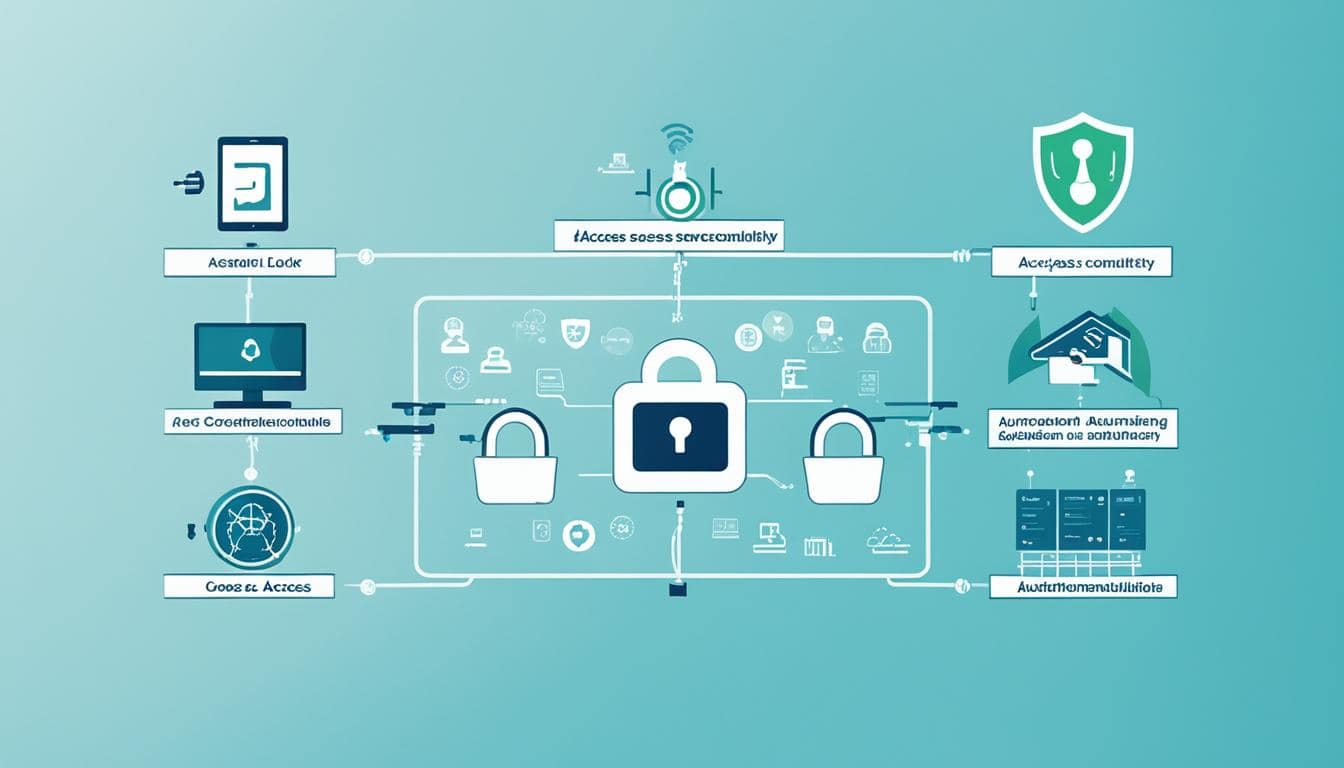
A security policy is essentially the foundation upon which a company’s safety protocols are built. It serves as a comprehensive guide that outlines the practices and principles an organization adopts to protect its resources from a variety of threats and risks. By establishing a clear set of rules and regulations, it directs employees and all personnel in maintaining and enhancing the security of company assets.
The Core Elements of a Security Policy
Defining Access to Company Resources
Effective security policies start by meticulously controlling who has access to the company’s valuable resources. It’s about assigning roles and permissions in a manner that guarantees only authorized staff are privy to confidential data and systems – a proactive measure against unauthorized disclosures and security incidents.
Establishing Procedures for Data Backup
Data is the cornerstone of any modern enterprise, thus having robust data backup procedures in place is non-negotiable. Security policies must detail proactive steps for safely copying and storing critical information, ensuring business continuity even in the face of unexpected data loss.
Password Creation and Management Guidelines
Passwords are the first line of defense in securing sensitive information. A security policy must establish stringent guidelines for password creation and management, ensuring that these credentials remain complex enough to thwart unauthorized access attempts.
Key Takeaways
- A security policy acts as the bedrock for all company safety protocols.
- It sets forth rules that dictate how employees should protect organizational assets.
- Access control within a security policy is critical for preventing unauthorized access.
- Data backup procedures are integral to the resiliency of a company’s operations.
- Password policies play a crucial role in maintaining the integrity of an organization’s security mechanisms.
The Core Elements of a Security Policy
In today’s world, a robust security policy is not just preferred—it’s essential for safeguarding an organization’s confidential information and systems. Whether it’s financial data, personal information, or strategic documents, understanding the principal components of a security policy can provide clear-cut directives for protecting these valuables. Key elements like access control, data backup procedures, and password management are the pillars that uphold the integrity and confidentiality of company resources.
Defining Access to Company Resources
Effective access control mechanisms are vital to ensure that only authorized personnel can interact with the organization’s sensitive assets. The definition of roles and rights within a company sets the groundwork for who has the ability to view, alter, or distribute corporate information, which in turn minimizes the risk of internal and external breaches.
Establishing Procedures for Data Backup
The inclusion of stringent data backup procedures within the security policy ensures that critical data is replicated and stored safely, thereby reducing the risk of significant loss due to system failures, disasters, or cyber-attacks. These procedures must be regularly reviewed and tested to adjust to new threats and evolving technologies.
Password Creation and Management Guidelines
Passwords are the first line of defense in many security frameworks. Consequently, enforcing robust password management practices is fundamental. Guidelines should not only stress the creation of strong, unique passwords but also address the frequency of password changes and outline the process for recovering credentials securely.
| Security Policy Element | Purpose | Key Practices |
|---|---|---|
| Access Control | Regulate and monitor user access to prevent unauthorized entry. | User authentication, role-based access rights, and audit trails. |
| Data Backup Procedures | Ensure the availability of data in case of incidents leading to data loss. | Regular scheduled backups, off-site storage, and encryption of backup data. |
| Password Management | Maintain the security of user accounts and prevent unauthorized access. | Password complexity requirements, change intervals, and secure recovery processes. |
Understanding the Scope of Security Policies
The scope of security policies within an organization plays a critical role in safeguarding both tangible and intangible organizational assets. These policies are not just blueprints for protecting various forms of information; they are essential in maintaining robust information security practices. To fully comprehend their reach, one must consider all the facets of an organization’s infrastructure that these policies encompass.

Delving into the scope of security policies, it’s evident that they cover extensive ground, from employee conduct in regards to data handling to the implementation of technical controls across network systems. Let’s outline the key components that a comprehensive security policy should address:
- Protection of physical assets—this entails security measures for buildings, hardware, and other physical resources.
- Securing information systems—includes deploying antivirus software, firewalls, and encryption.
- Network protection—focuses on preventing unauthorized access and maintaining the integrity of data in transit.
- Data privacy and confidentiality—ensures sensitive information is accessed only by authorized personnel.
By understanding the scope of security policies, organizations can more effectively identify potential security gaps and enforce measures to protect their organizational assets. Therefore, it’s essential for these policies to be comprehensive, clearly defining the responsibilities, protocols, and actions necessary to uphold information security standards.
Development and Implementation of Security Policies
As organizations strive to enhance their security frameworks, the importance of a systematic approach to developing and implementing security policies cannot be overstated. This multi-phase process is crucial in safeguarding an organization’s vital assets against rising cyber threats. To maintain robust organizational security, it becomes essential to meticulously document network security measures and create a portfolio of unified security documents that can guide and standardize security practices across the organization.
Documenting Network Security Measures
One of the pillars of a sound security policy is the thorough documentation of network security protocols. Such documentation is a vital artifact that records the configurations of firewalls, the operation of intrusion detection systems, and the enforcement of access controls. Robust network security documentation ensures that these critical security elements are uniformly applied, easy to audit, and can be consistently upheld to protect the integrity of the network infrastructure. This detailed record-keeping is a cornerstone in bolstering an organization’s defense against unauthorized access and potential security breeches.
Creating a Unified Set of Security Documents
Another essential step in fortifying a company’s security stance is developing a unified set of security documents. These documents serve as a reference point for all security-related activities and policies within an organization. By having these comprehensive guidelines, businesses can ensure a harmonized approach to addressing security concerns, thereby reducing the risk of oversight or conflict between different departments and policies. A unified security document helps in providing a clear, cohesive strategy that aligns with the overall goals of the organization’s security measures.
Bolstering Organizational Security Posture
To enhance organizational security, the finalized security policies should be thoroughly communicated and vigorously enforced. Training programs and regular updates are integral to ensure that all employees are aware of their roles and responsibilities as they pertain to security protocols. The continuous improvement of security policies, in alignment with emerging technologies and the ever-changing threat landscape, reinforces an organization’s security posture and its resilience against potential cyber threats. By prioritizing the development and implementation of forward-thinking security policies, organizations lay the groundwork for a secure operational environment, capable of adapting to the challenges of the digital age.
FAQ
What is a security policy?
What does “defining access to company resources” mean in a security policy?
What is the scope of security policies?
What is involved in documenting network security measures?
Source Links
- https://www.coursehero.com/file/p4tc7kj/Which-of-the-following-best-describes-a-security-policy-a-A-security-policy/
- https://www.examtopics.com/discussions/comptia/view/131524-exam-sy0-601-topic-1-question-837-discussion/
- https://www.studocu.com/en-us/messages/question/5222834/which-of-the-following-best-describes-a-security-policy-a-document-that-outlines-who-has-access


