
Author

Criselda Boyland

Browsing

The essence of a compound government lies in its ability to provide “double security” to the people by structuring power across multiple layers of government. This system, intricately woven into the U.S. governance fabric, ensures no single entity gains undue dominance, thereby safeguarding citizens’ rights and liberties. Through understanding compound government, we appreciate its instrumental role in balancing power between central and local authorities, upholding the foundational principle of federalism on which the United States was established.

Key Takeaways

  • Compound government is paramount in preventing the consolidation of power within one authority, maintaining equilibrium across governance levels.
  • Double security, a term coined within the realm of federalism, signifies the dual layer of protection afforded to citizens against potential misuse of power.
  • Understanding compound government is essential to recognizing the checks and balances deliberately designed to safeguard democratic values.
  • The interplay of power between federal and state entities is a hallmark of compound government, ensuring closer representation and responsiveness to the populace.
  • Comprehending the mechanics behind compound government reinforces the appreciation for the U.S. system’s ability to protect individual freedoms while allowing for an effective governance structure.

The Origin of “Double Security” in a Compound Government

The term origin of double security is intricately linked to the foundations of American democracy and the prudent foresight of its founding architects. In the crucible of formative political debate, the Federalist Papers emerged as a defining guidepost, illuminating the path for a nation committed to liberty and balanced governance.

The Federalist Papers and Madison’s Vision of Federalism

The writings within the Federalist Papers expound on the intricacies of what would become the United States Constitution. Here, among these insightful essays, James Madison’s vision of federalism took shape, advocating for a layered approach to governance—a pioneering blueprint for what we recognize today as a compound government.

The Evolution of Compound Government From the 18th Century to Today

Since those seminal days of the 18th century, the landscape of American politics has witnessed the profound evolution of compound government. Adaptability and progression are at the cornerstone of its longstanding endurance, ensuring continued relevance within an ever-changing society.

The Role of Checks and Balances in Preserving Liberty

Through the discerning implementation of checks and balances, the compound government upholds Madison’s vision—serving as the bulwark against the overreach of authority and, by extension, preserving the essential sanctity of individual liberty.

Year Event Significance
1787-1788 Publication of the Federalist Papers Outlined the arguments for federalism and checks and balances
1789 Ratification of the U.S. Constitution Formal establishment of the compound government structure
1791 Adoption of the Bill of Rights Strengthened individual liberties within the compound government framework
Throughout U.S. History Various Amendments and Supreme Court Decisions Continuously refined the balance of power and safeguards of rights

How the Division of Power Ensures Security for Citizens

The foundation of a stable and secure society is often found in the robust framework of its government, particularly the division of power. This structure, inherently designed to prevent the overreach of any single authority, is the bedrock upon which the security for citizens is fortified.

The Balance Between Federal and State Authorities

At the core of the United States’ governmental system is the balance between federal and state authorities. The delineation of powers is critical, with the Constitution explicitly defining the jurisdiction of each level. Federal responsibilities, such as national defense and international diplomacy, are complemented by state powers that handle local legislation and governance. This equilibrium ensures that the needs of citizens are addressed on both a broad and intimate scale, providing a personalized approach to the protection of liberty and public order.

The Impact of Separate Governmental Functions on Freedom

Separate governmental functions have a direct impact on the freedom experienced by individuals within a society. By segregating duties among the legislative, executive, and judicial branches, the government is equipped with an internal system of checks and balances. This separation delineates clear lines of responsibility and authority, thereby ensuring that the power to make, enforce, and interpret laws does not rest in the hands of a singular institution or group of individuals.
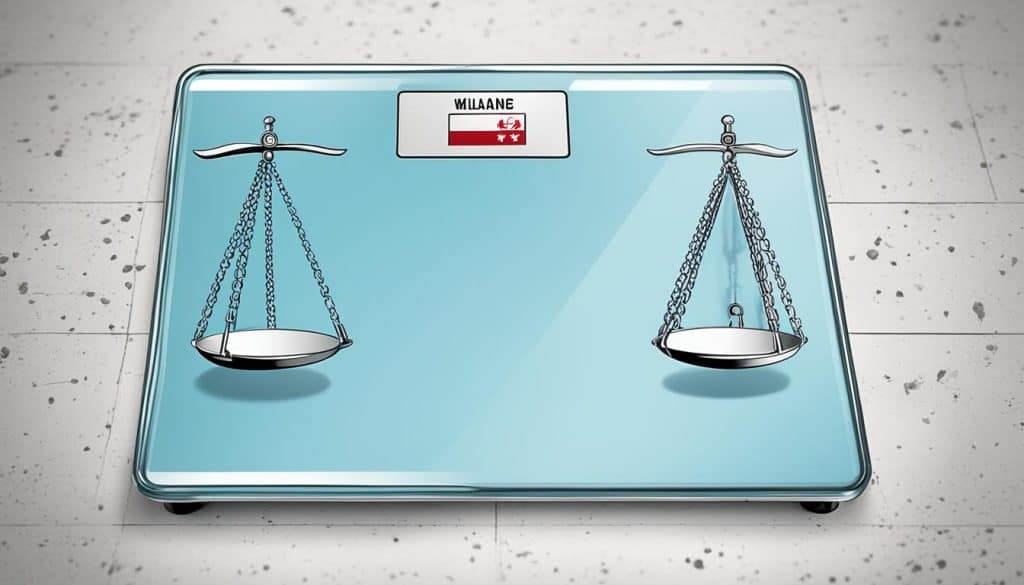
Balance between federal and state authorities

The Significance of Legislative, Executive, and Judicial Separation

The significance of the legislative executive judicial separation cannot be overstated. Each branch of government wields power within its own domain, yet must operate in cohesion with the others for optimal functionality. This structure of government not only preserves the integrity of the Constitution but also acts as a safeguard against tyranny and authoritarian rule. It enforces a system where laws are created with broad consensus, executed in accordance with the will of the people, and interpreted with an unbiased lens towards justice and equity.

Exploring Specific Safeguards Within Federal and State Governments

To preserve the integrity of our democracy, numerous safeguards in federal and state governments have been established. These are essential in maintaining the delicate balance of power and ensuring that the voice of every citizen is heard through the electoral process.

Electoral Process

The Electoral Process and Representation in Congress

The electoral process is fundamental to democracy, serving as a primary mechanism for representation in Congress. It provides the structure through which individuals exercise their right to elect their legislators in both the Senate and the House of Representatives. Voting systems and protocols are continuously reviewed to ensure fairness and accuracy, reflecting the popular will of the American people.

Senate and House of Representatives: Distinct Paths of Election

The Senate and the House of Representatives are both critical to our bicameral legislature, but they offer distinctly different paths of election. While Senators are elected on a statewide basis, ensuring equal representation for each state, members of the House of Representatives are elected from individual congressional districts, reflecting more localized interests. This system is designed to prevent any form of class favoritism by ensuring a more egalitarian and regionally diverse representation.

Addressing the Fears of Class Favoritism in Government Representation

Awareness and prevention of class favoritism is a significant concern in safeguarding democracy. Through campaign finance laws, lobbying regulations, and other legislative measures, the government works to ensure that the wealthy and powerful cannot unduly influence political outcomes. This fosters an environment where all citizens, regardless of economic status, have equal opportunity for their voices to be heard and interests represented.

Chamber of Congress Method of Representation Term Length Primary Focus
Senate Statewide election 6 years State interests and rights
House of Representatives Election by congressional districts 2 years Local interests and populace

How Does This Compound Government Provide “Double Security” to the People?

The framework of a compound government is foundational in providing double security to its citizens, serving as a cornerstone for preserving democracy and freedom. By design, the division of power is a robust mechanism to ward off the concentration and abuse of authority. In the United States, the compound government structure operates under a well-orchestrated system of checks and balances, strategically distributing power across federal and state levels, as well as among the three branches of government — the legislative, executive, and judicial.

One of the primary benefits of compound government is its inherent ability to regulate the flow of power, similar to circuit breakers in an electrical system. In this government design, the very architecture prevents any single branch from overriding the system or monopolizing control. The balance between federal and state authorities is not static but dynamic, allowing for adaptations and shifts that reflect the populace’s current needs and safeguards their interests. This carefully calibrated balance ensures that providing double security is not just a theoretical assurance but a practical reality, manifesting in the form of fair legislation, accountable governance, and the protection of personal freedoms.

Moreover, the twin pillars of transparency and deliberation are key in the provision of double security by a compound government. Decisions are not made in isolated pockets of power but rather emerge from a crucible of diverse inputs and scrutiny. The resulting policies are therefore less prone to the pitfalls of favoritism or unilateralism. In summation, the intricate design of a compound government does not merely distribute power but knits a tapestry of safeguards, ensuring that democracy is both resilient and responsive, embodying the true essence of liberty and justice for all citizens. Thus, the benefits of compound government resonate through the peaceful and progressive functioning of society, echoing the profound foresight of the Founding Fathers in their quest to enshrine “double security” for generations to come.

FAQ

How does compound government provide “double security” to the people?

Compound government provides “double security” by dividing power between multiple levels and branches of government, preventing any single entity from becoming too powerful and abusing its authority.

What is the origin of “double security” in compound government?

The concept of “double security” in compound government can be traced back to the debates surrounding the ratification of the United States Constitution and the principles explained in the Federalist Papers. James Madison’s vision of federalism emphasized the need for multiple levels and branches of government to balance power.

How has compound government evolved over time?

Compound government has evolved to adapt to changing dynamics and challenges. From the 18th century to today, it has maintained its key features such as checks and balances, which prevent any single branch from becoming too dominant and infringing upon the rights and freedoms of the people.

How does the division of power ensure security for citizens?

The division of power in compound government ensures security for citizens by preventing the concentration of power in a single entity. The balance between federal and state authorities allows for localized decision-making and representation, while the separate governmental functions of the legislative, executive, and judicial branches provide a system of checks and balances.

What are the specific safeguards within federal and state governments?

Specific safeguards within federal and state governments include the electoral process and representation in Congress. The electoral process ensures that citizens have a voice in choosing their representatives and holding them accountable. Representation in Congress is divided between the Senate and the House of Representatives, and efforts are made to address concerns of class favoritism in government representation.

How does compound government provide “double security” to the people?

Compound government provides “double security” by dividing power between multiple levels and branches of government, ensuring that no single entity can become too powerful and abuse its authority. This system of governance safeguards the rights and freedoms of the people, providing a balanced and transparent decision-making process.


Source Links

In emergency situations, the opioid antagonist naloxone is administered primarily through three common routes: intravenous (IV), intramuscular (IM), and intranasal (IN). Each of these administration routes is crucial in the timely reversal of an opioid overdose, potentially saving lives when every second counts. The method chosen can depend on the situation and the responder’s level of medical training.

Key Takeaways

  • Naloxone is an essential opioid antagonist in emergency situations.
  • Administration routes for naloxone include IV, IM, and IN.
  • Each route is critical for quick and effective opioid overdose reversal.
  • The choice of administration route may vary based on the emergency context.
  • Understanding these routes can enhance timely intervention and save lives.

Overview of Naloxone’s Life-Saving Role in Opioid Overdoses

Amid the escalating crisis of opioid overdose, naloxone stands out as an essential medical intervention. This life-saving opioid antagonist is a cornerstone in emergency responses, designed to reverse the dangerous respiratory depression caused by excessive opioid consumption. As the rate of opioid-related incidents grows, understanding the mechanism and urgency of naloxone administration becomes imperative for healthcare professionals and the general public alike.

The Opioid Antagonist Explained

Naloxone operates as an opioid antagonist, meaning it effectively blocks the receptors in the brain that opioids latch onto during an overdose. By rapidly displacing the opioids, it abruptly halts their effects and is therefore a critical component in the emergency treatment repertoire. The swift action of naloxone is essential to mitigate the life-threatening consequences of opioid misuse and to provide a bridge to advanced medical care.

Time-Sensitive Action of Naloxone

The effectiveness of naloxone in reversing an opioid overdose is highly time-sensitive. Its rapid distribution within the body is a distinguishing factor that can mean the difference between recovery and severe health complications. The timely use of naloxone is particularly decisive in preventing irreversible damage caused by oxygen deprivation to vital organs, affirming its status as a quick-response remedy.

Why Quick Response with Naloxone is Critical

A quick response with naloxone is not only critical but can be definitive in saving a life. Opioid overdoses can induce a quick decline in respiratory function, leading to hypoxia and potential fatality. Administering naloxone promptly restores normal breathing patterns, enabling the affected individual to receive oxygen while waiting for emergency services. Its accessibility and ease of use empower those witnessing an overdose to act immediately, dramatically increasing the chances of survival and recovery.

What Are the Common Administration Routes for Naloxone

Naloxone is a critical weapon in the battle against opioid overdoses, offering potential life-saving treatment when administered promptly and correctly. Understanding the administration routes and pharmaceutical forms of this crucial medication is essential for both emergency medical services and bystanders.

Naloxone Administration by Emergency Medical Services

Emergency medical services (EMS) personnel are often the first to respond to an opioid overdose emergency. The swift and knowledgeable application of naloxone by these professionals can mean the difference between life and death. EMS teams are equipped to use various administration routes, such as intravenous for direct access to the bloodstream, ensuring the rapid onset of naloxone’s effects in critical situations.

The Benefit of Bystander Administration of Naloxone

Bystander administration of naloxone is an invaluable addition to opioid overdose emergency response, enabling immediate intervention. With training and access to naloxone, friends, family members, and other bystanders are empowered to act before EMS arrives, drastically increasing the chances of survival and recovery.

Pharmaceutical Forms of Naloxone for Different Administration Routes

Naloxone is developed into various pharmaceutical forms to facilitate ease of use across different administration routes. The availability of these forms ensures that both medical professionals and laypeople can effectively use naloxone when faced with an opioid overdose emergency.

Administration Route Pharmaceutical Form Common Use Cases
Intravenous (IV) Injectable solution Used by EMS for fastest effect in severe cases
Intramuscular (IM) Auto-injectors Designed for easy use by bystanders and EMS
Intranasal (IN) Nasal sprays Non-invasive option ideal for bystander administration

Each of these pharmaceutical forms caters to the immediate need for an emergency response, while aligning with the preferred administration routes for naloxone, creating a versatile and robust system of care for those experiencing an opioid overdose.

Naloxone Administration Methods

Step-by-Step Guide to Administering Naloxone

When faced with an opioid overdose, the proper administering of naloxone can be the pivotal factor that saves a life. For those untrained in medical practices, this step-by-step guide serves as a resource for emergency response until professional help arrives. The initial step involves checking for signs of an overdose, such as pinpoint pupils, shallow breathing, or unconsciousness, followed by calling 911 to alert emergency services. It is vital to ensure the person is lying on their back to prepare for naloxone administration.

For the nasal spray form of naloxone, begin by removing the product from its packaging. Bracing the person’s head, gently insert the tip of the spray nozzle into one nostril. Press firmly on the plunger to release a single dose. If the nasal spray is not immediately available and injectable naloxone is being used, the medication must be injected into the outer thigh or shoulder muscle, through clothing if necessary. After administering naloxone, continue to monitor the person’s condition and provide rescue breaths if they are not breathing, applying CPR if trained to do so.

Administering naloxone is a crucial step in the chain of survival in overdose situations. Be aware that multiple doses of naloxone may be required as opioids can outlast the medication’s effect. This step-by-step guide is just an overview to aid in emergency scenarios, but obtaining formal training on the use of naloxone is highly recommended. By following these guidelines and staying educated, you can make a significant difference in an urgent time of need. Remember, after administering naloxone, always stay with the person until emergency medical services arrive.

FAQ

What are the common administration routes for naloxone?

Naloxone can be administered through various routes, including intramuscular, intranasal, and intravenous routes.

What is naloxone and how does it work as an opioid antagonist?

Naloxone is an opioid antagonist that works by binding to opioid receptors in the brain, blocking the effects of opioids. It is a vital tool in reversing the life-threatening effects of opioid overdoses.

Why is quick response with naloxone critical in emergency situations?

The action of naloxone is time-sensitive, and prompt administration is crucial in order to prevent serious complications or death. Quick response with naloxone can save lives by restoring normal breathing and reversing the effects of opioid overdose.

Who can administer naloxone in emergency situations?

Emergency medical services (EMS) personnel are trained to administer naloxone in emergency situations. Bystander administration of naloxone has also been proven effective in saving lives, as family members, friends, or bystanders can quickly administer naloxone to someone experiencing an opioid overdose.

What are the different pharmaceutical forms of naloxone available?

Naloxone is available in different pharmaceutical forms, including auto-injectors, nasal sprays, and injectable formulations, to accommodate different administration routes and ease of use.

Is training required to administer naloxone?

Administering naloxone requires following specific steps to ensure optimal delivery and effectiveness. It is important to receive training or consult with healthcare professionals for guidance on naloxone administration.

Source Links

The ownership clause is a fundamental aspect of a life insurance policy, defining who has the legal rights and controls over the policy. Essentially, it identifies the policyowner as the individual granted authority over the policy’s administration, responsible for premium payments, and endowed with decision-making capabilities regarding the policy’s values, benefits, and beneficiaries. Grasping the intricacies of this clause is crucial for policyowners to effectively manage their life insurance policies.

https://www.youtube.com/watch?v=y-LdWVODmNs

The Fundamentals of Life Insurance Policy Ownership

Key Takeaways

  • The ownership clause in a life insurance policy delineates the specific rights and powers awarded to the policyowner.
  • A clear understanding of the ownership clause is essential for managing who controls the policy and how it can be used.
  • The policyowner may not always be the insured individual, leading to distinct scenarios where ownership rights need careful consideration.
  • Policy management includes the authority to select beneficiaries, transfer ownership, and access policy values.
  • It is of paramount importance to understand all aspects of the ownership clause to ensure it aligns with the policyowner’s intentions and financial planning goals.

The Fundamentals of Life Insurance Policy Ownership

Understanding the fundamentals of life insurance policy ownership is crucial to navigating the rights and privileges afforded by the ownership clause. The different parties involved, namely, the insured, the applicant, and the policyowner must be clearly identified to ensure transparency and adherence to policy guidelines. Typically, a life insurance policy is a tripartite agreement temporarily binding these entities through various stages from application to claim settlement.

Ownership of a life insurance policy confers key financial protections and benefits that are vital for individual or business stability. For individuals, the ownership ensures provision for loved ones in case of their unforeseen departure; the financial security offered by such policies is an anchor in turbulent times. For businesses, on the other hand, owning a life insurance policy on key personnel can mitigate the impact of potentially significant losses stemming from unexpected events.

While often the insured and policyowner are the same individual, distinct scenarios exist where ownership might reside with another party. In such cases, the legal framework must recognize an insurable interest to underpin the policy’s validity. Recognizing these nuances is integral to a comprehensive understanding of ownership within the sphere of life insurance.

The transferability of a policy is one of the most potent tools in the kit of a policyowner. This ability to assign a policy can lead to important estate planning strategies, business succession planning, or even charitable giving. Knowledge and strategic use of these aspects can enhance the value derived from a life insurance policy.

Thus, the fundamentals of life insurance policy ownership encompass not just knowledge of parties and potential benefits but also the strategic application of ownership rights in planning for an assured financial future. Recognizing the differentials of ownership scenarios provides a clearer view of the policy’s landscape, ensuring one can navigate through with informed confidence.

What does the ownership clause in a life insurance policy state?

At the core of a life insurance policy is the ownership clause, a critical provision that delineates the scope of control a policyowner holds. This clause influences decisions taken during the insured individual’s lifetime and sets the stage for how benefits are managed and distributed. A clear grasp of the ownership clause is essential for anyone involved in life insurance, whether directly or peripherally.

Who Is the Policyowner?

The policyowner in a life insurance policy is typically the one responsible for premium payments and the individual who exercises ultimate authority over the policy. While often the policyowner is the insured party themselves, third-party ownership scenarios can complicate this arrangement. In these cases, an entity other than the insured takes on the role of policyowner, each with distinct responsibilities and legal standings.

The Rights and Powers of a Policyowner

The ownership clause within a life insurance policy grants considerable rights and powers to the policyowner. These include, but are not limited to, the ability to nominate or change beneficiaries, borrow against the policy’s cash value, and in some instances, even the authority to transfer ownership. Below is a detailed table outlining the various rights and powers associated with policy ownership.

Right/Power Description Impact on Policy
Beneficiary Nomination Choose who will receive the policy’s death benefit. Directs the payout upon the insured’s demise.
Loan Privileges Borrow against the policy’s accumulated cash value. Access to funds with the policy as collateral.
Ownership Transfer Change the policy’s owner to another party. Allows flexibility in estate planning and business succession.

Third-Party Policy Ownership Scenarios

Third-party ownership is an additional layer within the ownership clause that caters to unique circumstances. For instance, business-centric policies where a company is the policyowner on an executive’s life, or personal arrangements whereby a parent holds a policy on a child, demonstrate the multifaceted nature of life insurance policy ownership. Understanding these scenarios is vital as they bear implications for tax, control, and the strategic management of the life insurance agreement.

Understanding Policyowner Rights and Powers

Examining the Insurable Interest Requirement

The cornerstone of a life insurance policy hinges on the premise that there must be an insurable interest between the policy owner and the insured. This critical requirement, embedded within the ownership clause, mandates a legitimate concern for the wellbeing of the individual whose life is covered by the policy. Insurable interest is not merely a bureaucratic formality; rather, it acts as a safeguard against moral hazard, ensuring that the life insurance policy is not misused for speculative purposes.

Insurable interest in life insurance policy

Insurable interest is twofold, encapsulating both financial and emotional stake in the insured’s life. A financial interest might involve dependence on the insured for income or services, whereas an emotional bond derives from profound personal relations. Whether it originates from family connections, business ties, or legal obligations, insurable interest legitimizes the issuance of the policy, binding the ownership clause to appropriate, ethically sound applications.

Relationship Type Insurable Interest Basis
Family (spouse, parent, child) Emotional and financial ties, obligations for support
Business Partner Financial interdependence, investments in joint endeavors
Creditor-Debtor Legal financial interest in repayment of obligation
Key Employee Business interest in continuity and operational stability

It is vital to recognize that without an established insurable interest at the time the life insurance policy is initiated, the validity of the contract may be challenged, rendering the ownership clause ineffective. To examine whether an insurable interest exists, advisors sometimes look into the nature of the relationship between parties, duration, and mutual benefits, effectively ensuring that the insurance serves as a legitimate protective measure rather than a wager.

  • Ascertain financial dependencies or liabilities linked to the insured
  • Evaluate the emotional bonds that tie the policy owner to the insured
  • Consider legal structures that may create an insurable interest

The concept of insurable interest thus forms an indispensable link in the chain of a life insurance agreement, reinforcing the legal and ethical standing of the policy bound by the ownership clause. Its scrutiny is essential for the integrity of the life insurance industry, upholding principles that protect against economic exploitation and preserving the prime objective of life insurance: to provide financial security in the wake of human loss.

Life Insurance Policy Ownership Transfer Options

For a variety of reasons, a policyowner may decide to change the ownership of their life insurance policy. This facet of policy management is outlined under the ownership transfer provisions of a life insurance contract. It’s crucial for policyowners to understand their options for these transitions, as they can have significant implications for financial planning and estate management. One common method is assigning the policy to another individual, which effectively hands over the control and rights associated with the policy. This could be a strategic move to ensure the continued protection of beneficiaries or an integral part of a thoughtful estate planning.

Aside from assigning the life insurance policy, owners may also consider setting up an irrevocable life insurance trust (ILIT). This is a more complex ownership transfer option, often used to exclude the policy’s proceeds from the taxable estate of the insured. By transferring the policy to an ILIT, the death benefits can be protected from estate taxes, providing a full-value payout to the beneficiaries. This method requires careful planning and advice from financial and legal professionals to ensure that it aligns with the policyowner’s long-term goals and complies with current regulations.

Understanding and navigating the ownership transfer options of a life insurance policy is essential, especially when considering the potential tax implications and the requirements of the ownership clause. Policyowners should review their life insurance policy regularly and consult with financial advisors to ensure their life insurance coverage continues to meet their evolving needs. Whether the goal is to adjust the policy for personal financial changes or to strategically position assets for beneficiaries, the available options can help secure the policyowner’s wishes for the future.

FAQ

What does the ownership clause in a life insurance policy state?

The ownership clause in a life insurance policy establishes the rights and controls that the policyowner has over the policy. It defines the control they have over the policy during the insured’s lifetime, including the ability to surrender, sell, or gift the policy, as well as the power to change the policy’s death benefit beneficiary.

Who is the policyowner?

The policyowner is the person who usually pays the premiums and has complete control over the life insurance policy. They retain all rights to the values and options included in the policy.

What are the rights and powers of a policyowner?

The policyowner has the power to make decisions regarding the policy, including its beneficiaries and any changes to the policy’s terms. They also have the ability to surrender the policy for its cash value, sell or gift the policy, and change the policy’s death benefit beneficiary.

What are some third-party policy ownership scenarios?

Third-party ownership can occur in family situations, where a spouse or parent insures someone other than themselves. It can also be found in business scenarios, where a business insures the life of a key employee. Additionally, a creditor may own a policy on the life of a debtor.

What is the insurable interest requirement?

The insurable interest requirement states that for a life insurance policy to be issued, there must be a financial or emotional interest between the policyowner and the insured. This requirement prevents life insurance policies from being used as mere wagers and can arise from a close blood relationship, marriage, or from a creditor-debtor relationship.

What are the options for transferring ownership of a life insurance policy?

The ownership clause in a life insurance policy may provide options for transferring ownership, such as assigning the policy to someone else or creating an irrevocable life insurance trust.

Source Links

When dissecting the fabric of mid-20th century international relations, the descriptions of American foreign policy as articulated by Henry Wallace, Harry Truman, and Nikolai Novikov reveal striking contrasts and varied ideological nuances. Wallace’s description of American foreign policy emphasized a more cooperative global outlook compared to Truman’s advocacy for containment and Novikov’s critical assessment from a Soviet vantage point. These diverse perspectives underscore the complexity of U.S. foreign relations during this era, necessitating a deeper comparison of descriptions to fully comprehend their historical significance and impact.

Key Takeaways

  • Henry Wallace’s description of American foreign policy diverged from Truman’s, promoting a vision of international cooperation.
  • Truman’s description focused on containment, revealing a staunch stance against the spread of communism during the Cold War.
  • Novikov’s description offered a Soviet perspective, portraying American foreign policy as aggressively expansionist.
  • The comparison of descriptions highlights the ideological disparities that influenced global politics in the mid-20th century.
  • Analyzing these varied perspectives provides valuable insights into the objectives and strategies of U.S. foreign policy during a pivotal historical juncture.

Understanding the Context of American Foreign Policy in the Mid-20th Century

The mid-20th century marked a pivotal era for American foreign policy, a period when power structures shifted globally, ideologies clashed, and new policies emerged in response to the growing complexities of international relations. As the world transitioned from World War II to a peace fraught with tension, the United States played a central role in shaping the post-war political landscape. With the predominant aim of containing communism, this context shaped strategies that would define American foreign policy for decades.

Post-World War II Political Landscape

In the immediate aftermath of World War II, nations lay in ruin, and the need for reconstructive strategies was paramount. The American foreign policy context during this time was significantly influenced by its status as one of the remaining global superpowers. It undertook the challenge of rebuilding Europe through economic aid, illustrated by the Marshall Plan, and establishing institutions aimed at ensuring world peace, such as the United Nations.

Emergence of the Cold War

As the reconstruction era progressed, so did the geopolitical tension between the United States and the Soviet Union, culminating in the Cold War. This period was characterized by the race for nuclear supremacy, ideological confrontations, and proxy wars. The American foreign policy adapted by asserting its influence through military alliances such as NATO, and interventions in Korean and Vietnam wars, asserting a balance of power in the face of expanding communist influence.

The Concept of Containment and Its Implications

The doctrine of containment emerged as a cornerstone of American foreign policy in the Cold War era. It aimed at preventing the further spread of communism by various means, including diplomatic, economic, and, where deemed necessary, military interventions. The policy’s implications were far-reaching, influencing US involvement in global affairs, and shaping its relationships with nations around the world, emblematic of a tenacious period in American foreign policy.

Henry Wallace’s Vision of American Foreign Policy

Henry Wallace’s deeply held conviction for a peaceful world shaped his unique American foreign policy vision. His unwavering belief led him to promote an understanding that transcended traditional politics. In the wake of the Second World War, Wallace’s perspective was optimistic, yearning for a future where nations were united by mutual interests and common human values rather than divided by fear and competition.

American foreign policy vision of Henry Wallace

Wallace, as Vice President under Franklin D. Roosevelt, saw firsthand the devastating toll of global conflict and the emergence of the Cold War’s rivalries. He envisioned an alternative path, where American foreign policy could serve as a beacon for peace rather than an instrument of confrontation. His advocacy for diplomacy and international cooperation positioned him at odds with the prevailing geopolitical strategies of his time, particularly with those who supported containment and military readiness.

Delving into Wallace’s perspective, one can find a consistent theme of economic collaboration and cultural exchange. He believed that these were the pillars upon which a lasting peace could be constructed, an approach that sought to elevate living standards worldwide, thus diminishing the allure of conflict and authoritarianism.

Wallace’s proposals went beyond simple platitudes. He suggested concrete initiatives like global trade partnerships, aid for developing nations, and the embracement of a multinational approach to world affairs. His foresight posed an alternative scenario to the burgeoning Cold War—a vision where American foreign policy might have walked a road divergent from that of military confrontation.

While history ultimately took a different direction, the ideas championed by Henry Wallace continue to hold relevance as we reflect on the possibilities for a different kind of global engagement. In our study of his legacy, it is crucial to not only consider the context of his time but also the timeless nature of his quest for a world that values collaboration and shared prosperity over division and rivalry.

Foreign Policy Compare to Truman’s and Novikov’s? – A Comparative Overview

The establishment of American foreign policy in the aftermath of World War II laid the groundwork for the emerging global order, dominated by the Cold War tensions between the United States and the Soviet Union. Understanding the stark differences in foreign policy approaches is key to comprehending the ideological struggle that defined the era. This comparative overview seeks to juxtapose Truman’s perspective, embodied by the Truman Doctrine, against Novikov’s perspective, as communicated through Novikov’s Telegram, and to explore the ideological underpinnings that influenced these world views.

Truman Doctrine and Novikov's Telegram

Truman Doctrine: Policies and Principles

The Truman Doctrine is a significant hallmark of early Cold War American foreign policy. Rooted in the premise of counteracting Soviet geopolitical expansion, it pledged American support for countries resisting communism. President Harry Truman’s perspective was clear: the spread of communism posed a threat not just to the United States, but to the world’s freedom and stability. The implications of this doctrine reflect an ideological commitment to contain communism at all costs, setting the stage for American engagement in diverse global regions.

Novikov’s Telegram: The Soviet Perspective

As an antithesis to Truman’s policy stance, Novikov’s perspective, articulated in Novikov’s Telegram, frames the United States’ foreign ambitions as inherently imperialistic and hegemonic. This internal Soviet diplomatic cable captures the USSR’s suspicion and condemnation of American post-war international policy as an aggressive move. From this standpoint, the United States was perceived not merely as a geopolitical rival, but as a protagonist in a quest for global dominance, thus justifying the Soviet Union’s defensive postures.

Comparing Ideological Underpinnings and Objectives

Comparing the ideological underpinnings of both perspectives reveals the depth of the political and philosophical divide. Truman’s Doctrine was underpinned by a belief in democratic principles and a fear of authoritarian rule spreading after the devastation of World War II. In contrast, Novikov’s perspective emanated from a Marxist-Leninist ideology, viewing capitalist expansion as predatory and a threat to the Soviet socialist framework. This foreign policy comparison highlights a fundamental clash of values—liberty and democracy versus socialism and a controlled economy—each vying for global prominence through their respective foreign policy agendas.

Evaluating the Impact of Differing Foreign Policy Views

The impact of differing foreign policy views has been a significant driving force in shaping the trajectory of world affairs, particularly as observed through the mid-20th century perspectives of Wallace, Truman, and Novikov. Delving into these distinct viewpoints offers a unique lens to understand the complexities and the consequences of conflicting perspectives in directing nation-states’ actions on the global stage. As we reflect upon each stance, it becomes apparent that the fusion of ideology and policy can either pave the way for collaboration or deepen the chasms of international rifts.

Henry Wallace’s cooperative vision contrasted sharply with Harry Truman’s doctrines, which were echoed by policies geared towards containment. The divergent approaches influenced how the United States engaged with both allies and adversaries. Wallace’s advocacy for multilateralism and economic partnership was overshadowed by the Truman administration’s focus on military alliances and strategic dominance, a stance further solidified by the imminent pressures of the Cold War. Nikolai Novikov’s interpretations added yet another dimension, amplifying the ideological contention and solidifying the Soviet Union’s resolve against what they perceived as American expansionism.

The consequences of conflicting perspectives on foreign policy extended beyond theoretical debate, crystallizing in events that delineated the post-war years and the decades that followed. American foreign policy decisions influenced by these disparate views laid groundwork for both cooperation and conflict in various regions around the world. It is through the prism of these influential viewpoints that we better comprehend the interplay of power and principle that continues to inform the governing policies of nation-states, underscored by the enduring impact of differing foreign policy views.

FAQ

How does Henry Wallace’s description of American foreign policy compare to Harry Truman’s and Nikolai Novikov’s?

In this section, we will analyze and compare the perspectives of Henry Wallace, Harry Truman, and Nikolai Novikov on American foreign policy during the mid-20th century. By examining their views, we can gain insights into the similarities and differences in their perspectives on the role and objectives of American foreign policy.

What is the political context in which American foreign policy was formulated in the mid-20th century?

This section provides an overview of the post-World War II political landscape. It explores the global power dynamics and the emergence of the Cold War between the United States and the Soviet Union. Additionally, we delve into the concept of containment and its implications for American foreign policy during this period.

What was Henry Wallace’s vision of American foreign policy?

Henry Wallace, the 33rd Vice President of the United States, held progressive views and advocated for a more collaborative and cooperative approach to international relations. In this section, we will examine his speeches and writings to understand his perspective on American foreign policy objectives, diplomacy, and engagement with the international community.

How do the foreign policy perspectives of Truman, Wallace, and Novikov compare?

This section provides a comprehensive comparative analysis of the foreign policy perspectives presented by Truman, Wallace, and Novikov. We will examine the Truman Doctrine, its policies, and principles, as well as Novikov’s Telegram, which reflected the Soviet perspective on American foreign policy. Furthermore, we will explore the ideological underpinnings and objectives that shaped the approaches of these three influential figures.

What is the impact of differing foreign policy views presented by Wallace, Truman, and Novikov?

In the final section, we will evaluate the consequences of these conflicting perspectives on American foreign policy decisions and the shaping of global dynamics during the mid-20th century. By considering the impact of these differing views, we can gain a deeper understanding of how they influenced American foreign policy and its outcomes.

Source Links

Obtaining a free tablet from the government is a reality for many individuals facing economic hardship, thanks to a variety of government-funded tablet programs. To successfully apply for a free tablet, applicants must meet specific eligibility requirements, navigate the application process, and provide required documentation. Programs such as Lifeline and the Affordable Connectivity Program (ACP) are instrumental in making this technology accessible to those in need.

Key Takeaways

  • Identify if you qualify for government assistance programs such as SNAP or Medicaid to get a free tablet.
  • Learn the criteria for programs like Lifeline and the Affordable Connectivity Program.
  • Understand the necessary documentation to validate your eligibility for a free government tablet.
  • Know the step-by-step application process to improve your chances of obtaining the device.
  • Be aware of the participating providers and their offered benefits, like data plans and device options.

Understanding Government Assistance Programs for Free Tablets

Delving into the world of government assistance programs, low-income individuals are often eligible to receive free tablets. Various initiatives, including Lifeline and the Affordable Connectivity Program (ACP), have been pivotal in bridging the digital divide. This accessibility empowers communities by providing the tools necessary for education, work, and personal growth.

Eligibility Criteria for Government-Funded Tablet Programs

Eligibility for receiving a free tablet through government assistance programs is typically contingent upon participating in federal assistance programs. Here’s a brief rundown of the qualifications:

  • SNAP (Supplemental Nutrition Assistance Program)
  • Medicaid
  • SSI (Supplemental Security Income)
  • Other qualified government aid programs

Those who meet the criteria are taking an essential step toward digital inclusion, a critical aspect in today’s interconnected society.

How to Apply for a Free Tablet Through Lifeline and ACP

The application process for a free tablet includes verifying eligibility, often through the National Verifier, and selecting a service provider that participates in Lifeline or ACP. To guide applicants, the following table contains a step-by-step breakdown of the process:

Step Action Details
1 Confirm Eligibility Use the National Verifier tool to ensure you meet program criteria.
2 Select a Provider Choose a participating company offering the free tablet program.
3 Submit Application Provide the necessary information through the provider’s application process.
4 Verification Wait for the provider to confirm your application status.
5 Receive Tablet Upon approval, the tablet is dispatched as per the provider’s schedule.

Procedurally, these steps ensure that eligible participants can navigate the application process with confidence and efficiency.

Documentation Needed to Validate Your Claim

To successfully claim a free tablet through government assistance programs, candidates must furnish accurate documentation. Acceptable forms include:

  • Proof of participation in eligible programs (e.g., SNAP, Medicaid card)
  • Recent income statements (e.g., paycheck stubs, tax returns)
  • Proof of identity and residency (e.g., state ID, utility bill)

These documents play a crucial role in authenticating claims and expediting the provision of tablets to qualified individuals under schemes like Lifeline and ACP.

Navigating the Application Process for Free Tablets

Embarking on the application process for a free tablet through government assistance programs can seem daunting, but with the right guidance, it’s a journey that can be undertaken smoothly. The first step is to identify the participating providers that partner with government initiatives. Prominent national providers such as Verizon, AT&T, T-Mobile, and others play a pivotal role in these programs. These providers offer a range of devices to qualified individuals, ensuring that beneficiaries have access to technology that can help bridge the digital divide.

Selecting the right provider is critical, not only for obtaining your free tablet but also for the ongoing support and services. Assurance Wireless, Safelink Wireless, Tracfone, and Xfinity Mobile are among the reputable companies that collaborate with the government to provide this essential service. When choosing a provider, consider both the tablet options available and the accompanying data plans. Availability can vary, and the data plans provided as part of these offers are sometimes limited, which may influence your decision.

It is advisable to closely review the terms associated with each offer, ensuring that the device and plan align with your needs. Remember that while the upfront cost is covered, the responsibility to understand the service terms rests with you. By following these steps and carefully weighing your options, you can successfully navigate through the application process and harness the benefits provided by the available government assistance programs. With a clear understanding and the right approach, accessing a free tablet to enhance your digital engagement becomes an achievable goal.

FAQ

How can I obtain a free tablet from the government?

To obtain a free tablet from the government, you can explore government-funded tablet programs and apply through programs like Lifeline and ACP (Affordable Connectivity Program).

What are the eligibility criteria for government-funded tablet programs?

The eligibility criteria for government-funded tablet programs may include participation in SNAP (Supplemental Nutrition Assistance Program), Medicaid, SSI (Supplemental Security Income), and other government-funded assistance programs.

How can I apply for a free tablet through Lifeline and ACP?

To apply for a free tablet through Lifeline and ACP, you need to go through the application process, verify your eligibility, and select a participating company for your application. The National Verifier plays a role in determining eligibility.

What documentation is needed to validate my claim for a free tablet?

To validate your claim for a free tablet from the government, you may need to provide proof of eligibility, such as recent paycheck stubs, tax returns, or statements of government benefits. Additionally, you may be required to provide proof of identity and residence.

How do I navigate the application process for obtaining a free tablet from the government?

To navigate the application process, it is recommended to find a provider. Major national providers that offer free tablets include Verizon, AT&T, T-Mobile, Assurance Wireless, Safelink Wireless, Tracfone, and Xfinity Mobile. Considerations such as device availability and data plans should also be taken into account.

Source Links

The essence of government in society is deeply rooted in the human need for order, stability, and structure. Political structures have been established to manage and regulate communal life, ensuring that social complexities are effectively overseen. By scrutinizing why government exists, we unlock an answer key to the intricate dance of governance and social coherence. This exploration is not only academic but deeply practical, as it informs our perceptions of authority, citizenship, and collective responsibility.

Delving into the theoretical underpinnings, we encounter the seminal thoughts of philosophers whose concepts have shaped contemporary political discourse. The theories of Thomas Hobbes and John Locke, among others, present compelling arguments for the functionalities and necessities of governmental systems. As we peel back the layers of history and theory, the reasons behind the formation of political structures become clearer, providing invaluable insights into the operational cores of societies globally.

Key Takeaways

  • The necessity of government stems from the need to organize and regulate society.
  • Philosophical underpinnings by thinkers like Hobbes and Locke provide a framework to understand why government is fundamental.
  • Unpacking the reasons behind political structures offers insights into their role in maintaining social order.
  • The historical evolution of government concepts informs our modern perception of political legitimacy and authority.
  • A grasp of foundational government theories is essential for comprehending contemporary political dynamics.

Historical Foundations of Modern Government Concepts

The evolution of modern government concepts is deeply rooted in the philosophical inquiries and theories that arose during the age of Enlightenment. It is through the lens of seminal works by thinkers such as Thomas Hobbes and John Locke that we discern the shape of contemporary political discourse. These intellectual giants laid the groundwork for modern government concepts that continue to influence our lives today.

Thomas Hobbes’ Leviathan and the State of Nature

Thomas Hobbes’ Leviathan, published in 1651, offers a stark visualization of the human condition without political order – what Hobbes deemed the state of nature. In this primal existence, every person had a right to everything, invariably leading to an existence described succinctly as ‘solitary, poor, nasty, brutish, and short’. Hobbes argued that to escape this chaotic state, people collectively agreed to establish a sovereign authority.

The Emergence of the Social Contract Theory

The conceptual leap from the frightful state of nature to a structured society came through the introduction of social contract theory. The essence of this theory posits that individuals consent, either tacitly or explicitly, to surrender some of their freedoms and submit to the authority of the ruler (or to the decision of a majority) in exchange for the protection of their remaining rights. The agreement forms the moral and political obligations of society, constructing a unifying bond that is, in many ways, the bedrock of modern government concepts.

John Locke’s Natural Rights: Life, Liberty, and Property

In contrast to Hobbes, John Locke presented a more optimistic view of the state of nature, where individuals were free, equal, and guided by natural law. These natural rights, specifically, the right to life, liberty, and property, fundamentally influenced the development of governments. Locke’s thought engendered the pivotal idea that the primary role of the government should be to protect these rights, and should the government fail in this fundamental duty, citizens would have the right to overthrow it. This laid a significant cornerstone in the historical foundations of the social contract theory, becoming integral to the rise of constitutional democracies across the globe.

The historical foundations that Thomas Hobbes and John Locke established are not mere footnotes in the annals of intellectual history; they are active undercurrents that have shaped the contours and textures of modern government concepts. From enlightenment philosophy through contemporary governance, the lineage of their ideas is unmistakably etched into the core functions and aims of the state to safeguard life, liberty, and property. Their legacy, including the nuanced interpretations of the state of nature and the intricate dynamics of social contract theory, is emblematic of the evolution of governance from theoretical constructs to practical frameworks.

Why Government Answer Key

The exploration of why government is fundamental necessitates diving into the historical origins and philosophical underpinnings of governance. Through an analysis of social contract theory and the natural rights ethos, the answer key to this probing question gains clarity. We synthesize past discussions to encapsulate the rationale behind the existence and continuous evolution of political structures. Hence, we offer an enlightening overview that addresses the multifaceted role of government in society.

Political Structure and Government Functions

As outlined in prior segments, the bedrock of modern government lies in the need for order, security, and the safeguarding of rights. To concretize these concepts, let’s examine some bullet points regarding the primary functions and purposes of government that underpin our understanding:

  • Establishing and maintaining public order
  • Protecting citizens’ rights and ensuring justice
  • Providing public services and common goods
  • Defending against external threats
  • Regulating economic and social interactions

The historical foregrounding provided by figures like Thomas Hobbes and John Locke emphasizes the transition from the state of nature to organized societies, elucidating the modern perspective on why government. These political structures arise and morph to respond to the innate human quest for a well-ordered society in which individual freedoms can be exercised under the aegis of law and order.

Philosopher Main Contributions Influence on Modern Government
Thomas Hobbes State of Nature, Social Contract Foundation of authority and legal order
John Locke Natural Rights (Life, Liberty, Property) Emphasis on individual rights and governance limitation
Jean-Jacques Rousseau General Will, Social Contract refinement Concept of popular sovereignty and collective decision-making
Montesquieu Separation of Powers Checks and balances within government structure

To conclude, this answer key not only addresses the philosophical and historical why government, but also sheds light on its enduring necessity. Different governments may vary in their structure and operations, but their foundational purpose remains constant: to establish a system that upholds social order while accommodating the welfare and rights of the people.

The Influence of Philosophers on Government Formation

The tapestry of modern governance is woven with the intellectual threads provided by eminent philosophers, whose musings on mankind, society, and the state’s role have proven pivotal in shaping the landscape of political structures. As we dissect the influence of philosophers on government formation, it becomes evident that our contemporary institutions are deeply rooted in the concepts and principles first laid down centuries ago. The profound impact of such ideas continues to guide the genesis and evolution of policies and frameworks within which our societies operate.

Thomas Hobbes and John Locke stand out as monumental figures in political philosophy, each lending staggering contributions to the understanding of government’s nature and purpose. Hobbes, with his Leviathan, envisioned a powerful sovereign as an antidote to humanity’s brutish condition in the so-called state of nature. By contrast, Locke’s treatises infused the government formation discourse with the ideals of natural rights, advocating for a government that serves to protect life, liberty, and property, which formed the bedrock of constitutional democracies worldwide. The resonance of their insights into the human condition and civil governance cannot be overstressed in evaluating the influence of philosophers on the political domain.

As we trace the lineage of contemporary governments back to the intellectual seeds sown by these philosophical giants, it becomes clear that their legacies are not merely of academic interest but are embedded in the very institutions that define and uphold our societies. Understanding the philosophical underpinnings that shaped today’s governmental structure allows for a greater appreciation of the democratic principles that many nations hold dear and provides a critical framework for addressing the complex governance challenges of the 21st century.

FAQ

What are the foundational concepts and theories behind modern political structures?

The foundational concepts and theories behind modern political structures revolve around the reasons for the existence of government and the key ideas put forth by philosophers such as Thomas Hobbes and John Locke.

What is Thomas Hobbes’ concept of the state of nature?

Thomas Hobbes’ concept of the state of nature refers to a hypothetical scenario where humans lived in a state of constant conflict, turmoil, and anarchy.

What is the social contract theory?

The social contract theory highlights the idea that individuals voluntarily give up some freedoms in exchange for the protection and benefits provided by a government.

What are John Locke’s natural rights?

John Locke’s natural rights include the rights to life, liberty, and property, which he believed were inherent to all individuals and should be protected by a just government.

What is the purpose of government in society?

The purpose of government in society is to maintain order, protect individual rights, provide public goods and services, and establish a framework for resolving conflicts and promoting the general welfare of its citizens.

How did philosophers like Thomas Hobbes and John Locke influence the formation of governments?

Philosophers like Thomas Hobbes and John Locke had a profound influence on the formation of governments by shaping and influencing the development of political structures through their ideas on the state of nature, the social contract, and natural rights.

Why is it important to understand the reasons for the existence of government?

Understanding the reasons for the existence of government provides insights into the functions and role of political structures in society, helping individuals comprehend the benefits and responsibilities associated with living under a governing system.

Source Links

Navigating Your Options with a Genworth Long-Term Care Policy requires a keen understanding of the policy’s current value, any potential changes in terms, and the overall stability of the insurance provider. If you’re considering What to do with Genworth Policy, it’s essential to make an informed decision that aligns with your long-term care needs and financial goals. Let’s explore the critical considerations that will guide you in making the best choice for your future.

Key Takeaways

  • Review the full extent of your Genworth Long-Term Care Policy’s benefits and terms.
  • Analyze any changes in your policy’s premiums over time and the factors influencing these adjustments.
  • Understand the claim process, including the ease of filing and customer satisfaction levels.
  • Research Genworth’s financial stability to gauge the security of your policy.
  • Consider the protections provided by State Guarantee Associations for additional peace of mind.
  • Contemplate various options, from maintaining your current policy to shopping for alternatives.

Evaluating the Value of Your Genworth Policy

When it comes to a Genworth Policy Evaluation, understanding the numerous facets that contribute to the overall worth of your policy is paramount. Such an assessment becomes even more critical in light of the fact that long-term care insurance policies, such as those offered by Genworth, can undergo significant changes over time, including Price Increases and shifts due to the Policy Age. Below we dive into the key considerations policyholders should account for in their evaluation.

Assessing Price Increases and Policy Age

Insight into the policy’s evolution is crucial as Price Increases can have a substantial impact on the affordability and value of the policy over time. Policyholders should review their payment history to gauge if the increasing rates are justifiable by the benefits provided. Moreover, the Policy Age is indicative of the insured’s proximity to potentially needing to claim, which frames the urgency and importance of the policy’s features and costs.

Understanding the Claim Process and Customer Satisfaction

The Claim Process inherent to Genworth’s policies deserves close attention. Complex, time-consuming claim processes can be a significant deterrence for policyholders, potentially undermining the value of the policy itself. Additionally, Customer Satisfaction ratings can offer insights into the experiences of other policyholders, providing a valuable perspective on whether the policy lives up to its promises in practical terms.

Considering Genworth’s Financial Stability and State Guarantee Associations

At the heart of a policy’s reliability is the provider’s Financial Stability. Genworth’s standing and track record in this regard give a sense of security or raise caution about future solvency. In parallel, understanding the protections furnished by State Guarantee Associations can determine what safety nets are in place should the insurer face financial difficulty, safeguarding the interests of the policyholder.

The intricacies of policy evaluation do not end here, but these criteria form the foundational steps in wielding a well-informed decision-making process. A thorough analysis encompassing these points equips policyholders to navigate the dynamic landscape of long-term care insurance, specifically when deliberating on the continuation, modification, or relinquishment of a Genworth policy.

What Should I Do With My Genworth Long-Term Care Policy

Making a Genworth policy decision can be daunting. Understanding your Long-Term Care Policy options is crucial to making an informed choice that aligns with your financial and health care goals. Considering you’ve evaluated your policy’s value, let’s discuss the pathways before you and the steps to take as you ponder over what to do with your Genworth Policy.

Genworth Long-Term Care Policy options

If you’re leaning towards keeping your policy, you must consider the benefits you’re entitled to against the premiums you will pay over time. How does this policy fit into your overall retirement plan? If you have witnessed a significant rate increase, you may want to contact Genworth to discuss Long-Term Care Policy options that could include reducing benefits to lower premiums or seeking a paid-up policy status.

Shopping for alternatives is another route. The market is replete with new insurance products that might offer better coverage or more suitable terms. When researching alternatives, compare the benefits and costs, taking into account your current age, health status, and the inflation protection offered by new policies.

Below are some considerations for policyholders:

  1. Financial assessment: Can you afford potential future premium hikes?
  2. Benefit comparison: How do benefits of your current Genworth policy compare to other products on the market?
  3. Health evaluation: Take stock of your health to determine likelihood of needing long-term care.
  4. Market research: Stay abreast of new long-term care insurance products and innovations.

If these options seem overwhelming or unfit for your specific situation, financial advisors or insurance specialists can often provide personalized advice tailored to your circumstances and assist in making a Genworth policy decision.

In summary, whether you decide to keep your Genworth policy, look for new insurance options, or take another route, ensure that your decision is informed by thorough research and professional advice. As with any significant financial decision, the choice of what to do with your Genworth policy should be a strategic move that secures your future and brings peace of mind.

Exploring Settlements and Restructuring Options

For policyholders who might be weighing their alternatives with a Genworth Long-Term Care Policy, considering Genworth Policy Settlements and Policy Restructuring Options can provide tailored solutions that align with personal healthcare needs and financial objectives. Settlements often involve selling your policy for an immediate cash amount, which can be an attractive route for those who no longer need or can afford their policy, or if the perceived benefits are outweighed by the premiums. The amount received is typically less than the death benefit but more than the cash surrender value, offering a middle ground for policyholders.

In parallel, restructuring your policy can take various forms, such as reducing the benefit period, lowering the daily benefit amount, or opting for a shared care option if available. These adjustments can significantly lower your premiums while still maintaining a degree of long-term care protection. In some cases, policyholders can convert their policies into abbreviated paid-up policies with no further premiums due, albeit with reduced benefits. The key is to match policy adjustments with your anticipated level of care and the reality of your financial landscape.

As you navigate these Policy Restructuring Options, it is crucial to keep in mind that any modifications made to your Genworth policy should be carefully evaluated with a clear understanding of the long-term implications. It’s also recommended to consult with a financial advisor or an insurance specialist to fully grasp the potential outcomes of settling or restructuring your policy. By taking a strategic approach to these alternatives, you can optimize your long-term care coverage to better serve your future needs while also managing your financial resources effectively.

FAQ

What should I do with my Genworth Long-Term Care Policy?

If you’re uncertain about what to do with your Genworth Long-Term Care Policy, consider evaluating its value and exploring your options. Assess factors such as price increases, the age of your policy, the claim process, customer satisfaction, Genworth’s financial stability, and the protection offered by state guarantee associations in case of insolvency.

How do I evaluate the value of my Genworth Policy?

To evaluate the value of your Genworth Long-Term Care Policy, assess any price increases that may have occurred since you purchased the policy and consider the age of your policy. Additionally, understand the claim process and customer satisfaction ratings to see if they align with your expectations. Lastly, consider Genworth’s financial stability and the protection offered by state guarantee associations.

What should I consider when evaluating price increases and policy age?

When evaluating price increases and policy age, take into account the affordability of the policy given the price increases. Also, consider the benefits and coverage provided by your policy in relation to its cost. As for policy age, older policies may have different terms or options that could affect their value.

How can I understand the claim process and customer satisfaction?

To understand the claim process and customer satisfaction, review the policy documents provided by Genworth and familiarize yourself with the steps involved in filing a claim. Additionally, research customer reviews and ratings to get an idea of the overall satisfaction with Genworth’s claim handling and customer service.

Why is it important to consider Genworth’s financial stability and state guarantee associations?

Considering Genworth’s financial stability is essential to ensure that the company will be able to fulfill its obligations under your policy. State guarantee associations provide additional protection in the event of a company’s insolvency, ensuring that policyholders receive their benefits up to certain limits.

What should I do with my Genworth Long-Term Care Policy?

Once you have evaluated the value of your Genworth Long-Term Care Policy, you have several options. You can choose to keep the policy if it meets your needs and remains affordable. Alternatively, you can explore alternatives by shopping for other long-term care policies. Additionally, you may consider settlements or other restructuring options based on your healthcare and financial needs.

What are some settlement options available for policyholders?

Settlement options for Genworth Long-Term Care Policyholders may include receiving a lump-sum payment in exchange for surrendering the policy or receiving a reduced paid-up policy with modified benefits. These options depend on your specific policy and the terms offered by Genworth.

What other restructuring alternatives can I consider for my Genworth Policy?

Besides settlements, other restructuring alternatives you may consider for your Genworth Long-Term Care Policy include adjusting the benefit levels, elimination periods, or premium payment options to better suit your healthcare and financial needs. It is advisable to consult with a financial advisor or insurance professional to explore these options in depth.

Source Links

Policy delivery marks a pivotal moment within the insurance lifecycle, serving as the bridge between the purchase of an insurance policy and its activation. This stage is characterized by the transfer of critical documents and information from the insurer to the policyholder, a process that embodies transparency and trust in the insurance sector. Key components such as the insurance policy, accompanying riders, and detailed coverage terms are meticulously assembled to ensure policyholders are well-informed and aware of their rights and obligations. The underlying procedures that govern policy delivery are designed to uphold industry standards and safeguard the interests of all parties involved.

Key Takeaways

  • Policy delivery is an essential step in finalizing insurance coverage and transfers important documents to the insured.
  • Understanding the key components and procedures of policy delivery can mitigate misunderstandings and promote transparency.
  • Accurate and efficient delivery of policies fortifies the relationship between insurers and policyholders.
  • Insurers must adhere to industry standards during the policy delivery process to ensure legal and ethical compliance.
  • Policyholders are encouraged to review all delivered documents to fully understand the coverage they have secured.

The Importance of Prompt Policy Delivery

The expeditious distribution of policy documentation to clients is not just a matter of fulfilling a procedural requirement; it represents the cornerstone of starting a trustworthy and solid relationship with the policyholder. Not only does prompt policy delivery set the tone for future interactions, but it also serves as the critical juncture at which policyholders are empowered with the right to review their commitments confidently.

Initiating the Free-Look Period

When a policy is delivered in a timely manner, it activates the free-look period, a decisive timeframe that is essential for policyholders. It allows them a specified duration to peruse their new policy in detail, ensuring that the terms and coverage meet their needs and expectations, and permitting them to make an informed decision without financial repercussions. This benefit underscores the significance of prompt policy delivery in honoring customer autonomy.

Customer Service Quality and Relationship Building

Effective customer service is tantamount to successful relationship building. Through punctual policy delivery, insurers convey their respect for clients’ time and their dedication to transparent communication. Companies that prioritize this are often rewarded with deeper client engagement and loyalty, laying the foundation for a continuous and fruitful association.

Professional Image and Persistency Enhancement

A professional image is maintained not just through attire or demeanor but through the efficiency and reliability of services rendered. Quick policy delivery enhances this image significantly and simultaneously contributes to persistency enhancement. It reflects positively on the insurer, demonstrating a high level of professionalism while encouraging policyholders to maintain their policies due to the positive initial experience.

Benefits Policyholder Impact Insurer Impact
Prompt Policy Delivery Immediate initiation of free-look period, enhanced satisfaction Increased reputation, higher client retention rates
Quality Customer Service Increased trust and loyalty Strengthened client relations, reduced churn
Professional Image Perception of insurer reliability, association with excellence Persistency increase, positive brand recognition

Essential Documents Included in Policy Delivery

When it comes to policy delivery, understanding the suite of essential documents that come into play is vital for ensuring policyholders are fully informed about their insurance coverage. The key documents included in policy delivery not only serve legal requirements but also furnish policyholders with the knowledge needed to comprehend their protection and responsibilities.

Policy Delivery Documentation

The cornerstone of these essential documents begins with the insurance policy itself. This contract outlines the specific coverage provided, including the terms, limits, and duration of the policy. Accompanying the policy are declarations pages which detail the named insured, the coverage premiums, and any deductibles or limits applicable to the coverage.

Other essential documents consist of insuring agreements that stipulate what is being covered, alongside any exclusions that note what the policy does not protect against. Conditions are included to highlight the policy requirements and stipulations, while endorsements and riders amend or add additional terms or coverage.

  • Insurance Policy: A detailed and binding contract between the insurer and the insured.
  • Declarations Pages: Data sheets that outline coverage specifics such as premiums and deductibles.
  • Insuring Agreements: Statements that define the scope and extent of coverage.
  • Exclusions: Clear demarcations of what the policy does not cover.
  • Conditions: Terms under which the policy is effective and exclusions may apply.
  • Endorsements/Riders: Additions or modifications enhancing the original policy terms.

Grasping the particulars of these documents is not only a matter of compliance but of confidence as well. Effective policy delivery facilitates policyholders’ understanding, enabling them to make informed decisions about their insurance. All the included essential documents should be thoroughly reviewed to avoid any future misunderstandings concerning coverage details and obligations of the involved parties.

What is Being Delivered During a Policy Delivery

Effective policy delivery is a cornerstone in the architecture of insurance services. The handover of critical information and documents marks the commencement of a binding agreement between the policyholder and the insurance entity. This process is not merely an administrative task; it is a crucial juncture that sets the tone for the ongoing relationship.

Overview of Standard Provisions

Standard provisions often form the backbone of the policy structure, delineating the grounds on which the insurance coverage is built. These are not merely boilerplate clauses but tailored criteria harmonized to the unique contours of each policyholder’s needs. Accurate and clear explanation of these provisions during the policy delivery phase is paramount, as it equips customers with the knowledge needed to navigate their coverage.

The Critical Role of the Examination Offer

An examination offer is the policyholder’s vantage point, allowing a panoramic review of the policy’s landscape. This examination period is a testament to the transparency and customer-centric approach of the insurer, underscoring the importance of informed consent in the policy delivery process.

Implications of Delays in Policy Delivery

Efficiency in policy delivery is more than a benchmark; it’s an imperative. The repercussions of delays in policy delivery can ripple outward, spawning a slew of complications ranging from diminished customer trust to financial setbacks for both parties involved. Therefore, it is the duty of the insurer to ensure timeliness and expedite the policy delivery with fervor.

As we dissect further into the specifics, here’s a snapshot of what policyholders can anticipate during the policy delivery process:

Component Description Impact of Timely Delivery
Standard Provisions Constitutes the terms and scope of the policy. Instills a sense of security and clarity.
Examination Offer Period provided for policy review and cancellation options. Empowers customers and enhances satisfaction.
Documentation Inclusive of all agreements, contracts, and endorsements. Advances customers’ understanding of their rights and commitments.

Policy Delivery Process

The Impact of Non-Compliance in Policy Delivery Processes

Within the framework of insurance services, the adherence to established policy delivery processes cannot be overstated. Non-compliance in these critical operations can precipitate a cascade of adverse effects that jeopardize not only the financial standing but also the integrity of insurance providers. Insurers who sidestep the regulated steps for policy dissemination invite a plethora of repercussions such as regulatory penalties, which can manifest as hefty fines or more dire legal consequences. Moreover, this negligence can be the prelude to customer distrust, a tarnished brand image, and the erosion of a company’s market positioning.

The diligence with which insurance professionals undertake policy delivery processes directly influences their compliance record. Seemingly innocuous lapses in following protocol can culminate in violations of internal company mandates, subsequently leading to a forfeit of rightfully earned commissions. Customer grievances are often a direct outcome of non-compliance, triggering reviews of business conduct that bear the potential to stain careers. In an industry where reputation is foundational to success, the fallout from non-compliance can extend to punitive actions that tarnish the records of professionals and agencies alike.

It is incumbent upon all insurance entities to wield the necessary vigilance in maintaining an unblemished standard of compliance. Through conscientious adherence to policy delivery processes, insurance professionals fortify not only their own standing but also bolster the sense of reliability and trust that clients expect from their providers. Negligence in these duties is not a mere oversight but a significant liability – one that demands attention, regular training, and a culture of adherence to prevent flagrant non-compliance and its array of avoidable consequences.

FAQ

What is being delivered during a policy delivery?

During a policy delivery, various essential documents are provided to the policyholder. These documents may include the policy itself, declarations pages, insuring agreements, exclusions, conditions, endorsements, and riders.

Why is prompt policy delivery important?

Prompt policy delivery is important for several reasons. It initiates the free-look period, allows policyholders to review their policy without penalty, reflects a commitment to customer service quality and relationship building, enhances the professional image of insurance professionals, and can improve persistency.

What is the free-look period?

The free-look period is a specified period after policy delivery during which policyholders can review their policy and make any necessary changes or cancellations without penalty.

What documents are included in policy delivery?

The documents included in policy delivery may consist of the policy itself, declarations pages, insuring agreements, exclusions, conditions, endorsements, and riders. Each document serves a specific purpose and provides crucial information about the insurance coverage and its terms.

What are standard provisions in policy delivery?

Standard provisions in policy delivery outline the rights and responsibilities of both the insurance provider and the policyholder. These provisions include important information about the coverage and obligations of the policyholder.

What is the examination offer in policy delivery?

The examination offer in policy delivery gives the policyholder the opportunity to review the policy and request cancellation within a specified period. It is a crucial aspect of policy delivery that allows policyholders to carefully review their coverage before making a final decision.

What are the implications of delays in policy delivery?

Delays in policy delivery can have significant implications, including potential commission reversals, customer complaints, and harm to the reputation of insurance professionals and companies. It is important to prioritize prompt and accurate policy delivery to avoid these negative consequences.

What are the potential ramifications of non-compliance in policy delivery processes?

Non-compliance in policy delivery processes can result in violations of company policies, loss of commissions, customer complaints, business conduct reviews, and potential sanctions. It is crucial for insurance professionals and agencies to ensure compliance in policy delivery to maintain their reputation and uphold legal and ethical standards.

Source Links

Contrary to common misunderstandings about the DoD travel policy, several prevalent myths distort the realities of official travel for Department of Defense personnel. It’s crucial to debunk these misconceptions to align understanding with the actual guidelines that govern travel for military and civilian DoD employees, as well as their families. By dissecting DoD travel policy myths, our aim is to clarify the official protocols, helping those affected navigate their travel entitlements and responsibilities with confidence.

Key Takeaways

  • The DoD travel policy includes nuances often misunderstood, leading to pervasive myths.
  • Clarification on travel policy helps military and civilian personnel utilize their benefits correctly.
  • Understanding per diem guidelines is crucial for accurate travel compensation.
  • Travel benefits extend beyond military personnel, encompassing civilian employees and families.
  • Proper knowledge about lodging and reimbursement prevents policy compliance issues.
  • Managing personal expenses and credit card use is essential during official DoD travel.

Exploring Common Misconceptions Around the DoD Travel Policy

Within the Department of Defense (DoD), travel policy is often shrouded in misconceptions. These misunderstandings can lead to confusion about the entitlements and obligations of DoD travelers. To ensure clarity and proper adherence to policy, it’s essential to deconstruct some of these mistaken beliefs.

Per Diem Misunderstandings and the Reality of Flexible Rates

Contrary to popular belief, per diem rates under the DoD travel policy are not rigid and unchanging. The reality is that they’re designed to accommodate travelers dealing with diverse geographic costs. Debunking per diem misconceptions requires an understanding of the dynamic nature of these rates, which reflect variations in lodging costs and living expenses across different destinations.

Eligibility for Travel Benefits Beyond Military Personnel

Another area of general misunderstanding is the assumption that travel benefits are exclusive to military personnel. In fact, the DoD travel policy extends travel benefits for non-military personnel, including civilian employees and authorized contractors. These individuals are equally entitled to receive equitable consideration for travel allowances as their military counterparts.

The Truth About Lodging Options and Reimbursement Rules

Lodging options and reimbursement rules are also subject to misconceptions. The DoD travel policy provides clear guidelines on acceptable lodging and the associated reimbursement rules. These are formulated to ensure that travelers have access to safe and reasonable accommodations while also managing the cost to the government efficiently.

Handling Personal Time During Official DoD Travel

Managing personal time during official travel is also a significant aspect of the DoD travel policy. Travelers are often unaware of how to balance their official commitments with personal time. It’s imperative that they understand the regulations to make the most out of their travel without compromising on their duties or the integrity of the travel policy.

Armed with accurate information, DoD travelers are better positioned to navigate the policy’s nuances. This not only equips them with the foundation to claim their rightful benefits but also ensures compliance with established protocols, thereby fostering a more informed and responsible travel culture within the DoD.

Clarifying the Use of Government Travel Credit Cards and Personal Expenses

Government travel credit cards stand as a critical element in the Department of Defense’s travel policy, with precise guidelines aimed at simplifying expenses for official travel. Yet, misunderstandings frequently arise around their proper use, giving rise to the need for clarifying government travel credit card usage. These credit cards are designed to facilitate the efficient tracking and payment of expenses associated with authorized travel, and they’re not meant for personal use. Understanding the demarcation between which expenses are considered reimbursable and which are personal is crucial for DoD personnel adhering to the policy regulations.

The management of personal expenses in DoD travel policy is another aspect that often requires clarification. While on official travel, personal expenses must be clearly separated from those covered by the government. These may include leisure activities, personal travel, or other non-reimbursable incidents. For transparency and compliance, individuals must maintain meticulous records of their expenditures. The policy provides mechanisms for individuals to file for reimbursement for qualified expenses while on duty travel, ensuring they are not out-of-pocket for those costs incurred in direct support of their official responsibilities.

To avoid the misuse of government-issued credit cards and mishandling of funds, the DoD has set up training and resources to assist cardholders and approving officials in understanding all facets of travel-related expenses. The goal of these regulations is to promote fiscal responsibility and integrity, ensuring that tax dollars are spent appropriately. By adhering strictly to the DoD travel policy, personnel contribute to a culture of accountability and precise financial management, ultimately supporting the department’s mission through responsible expense stewardship.

FAQ

What are some common myths about the DoD travel policy?

There are several misconceptions about the DoD travel policy, including the belief that it is only applicable to military personnel. In reality, travel benefits are also available to civilians and their families. Additionally, there may be misunderstandings about per diem rates, lodging options, reimbursement rules, and personal time during official DoD travel.

Are per diem rates in the DoD travel policy fixed?

No, per diem rates in the DoD travel policy are not fixed. They are based on the location and duration of travel, and can vary to accommodate different cost-of-living levels. It is important to understand the flexible nature of per diem rates to accurately plan and manage expenses.

Who is eligible for travel benefits under the DoD travel policy?

The DoD travel policy extends travel benefits not only to military personnel but also to civilians and their families. Eligibility criteria may vary based on specific circumstances, but it is essential to recognize that travel benefits are available to a wider range of individuals.

What are the options for lodging during DoD travel, and how are reimbursements handled?

The DoD travel policy allows for a variety of lodging options, including government-provided housing, commercial hotels, and privately arranged accommodations. Reimbursement rules are in place to ensure fair compensation for lodging expenses incurred during official travel. It is important to familiarize yourself with these rules to properly navigate the reimbursement process.

How should personal time be managed during official DoD travel?

Personal time during official DoD travel should be handled according to the policy guidelines. While it is permissible to engage in personal activities during non-duty hours, it is essential to maintain a balance and prioritize official responsibilities. It is crucial to understand the boundaries and expectations regarding personal time during DoD travel.

How can I use government travel credit cards, and how are personal expenses managed?

Government travel credit cards can be used for authorized expenses during official DoD travel. It is important to familiarize yourself with the specific guidelines related to their usage. Personal expenses incurred during travel can be managed and reimbursed within the policy guidelines, provided they adhere to the designated criteria and documentation requirements.

Source Links

Understanding DoD travel regulations requires separating fact from fiction. The Department of Defense (DoD) travel policy is often shrouded in misconceptions that can create confusion for those it affects. However, by debunking travel policy misconceptions, we can provide clarity, ensuring that all personnel, from military to civilian, navigate travel procedures with confidence. The most persistent DoD travel policy myths may lead to misunderstandings, but today, we’re setting the record straight. Let’s dive into the realities behind the myths.

Key Takeaways

  • Many misunderstandings surround DoD travel policy eligibility—clarification is key.
  • Using personal credit cards for DoD travel expenses can offer benefits when the correct procedures for reimbursement are followed.
  • Common myths about the DoD travel policy can lead to misinformed decisions unless accurately addressed.
  • Flexibility and negotiation are often possible regarding per diem rates under the DoD travel policy.
  • Understanding the real DoD travel regulations is essential for compliant and efficient travel within the Department of Defense.

Common Misconceptions about DoD Travel Policy Eligibility

When it comes to DoD travel policy eligibility, clear understanding is crucial, yet misconceptions frequently arise. This section aims to demystify who precisely falls under the policy’s coverage.

Civilians and Contractors Under DoD Oversight

There’s a common belief that DoD travel policy eligibility is restricted to military personnel. However, it applies broadly, encompassing both civilians and contractors working with the Department of Defense. These individuals are entitled to certain travel benefits, aligning with directives aimed at supporting the DoD’s expansive operations. Eligibility criteria and entitlements for these groups ensure that when on official travel, they are adequately supported, financially and logistically.

Moreover, considering the intricate roles that civilians and contractors in DoD travel policy play, it’s imperative to recognize the diversity of scenarios covered by the policy. This may include travel for deployments, training, or inter-agency operations that contribute to the DoD’s mission.

Eligibility Beyond Military: Government Employees and Stakeholders

Beyond the military cadre, the DoD travel policy extends to a wider circle of government employees and stakeholders. Determining who is covered by DoD travel policy requires an appreciation of the various roles that contribute toward national security and defense operations beyond combat forces.

These roles include advisors, analysts, and support personnel among others, who may occasionally or regularly need to travel for official purposes. Understanding the DoD travel policy’s reach helps in facilitating necessary travel without administrative pitfalls and, crucially, underscores the department’s reliance on a vast network of professionals—not solely the armed forces.

In conclusion, unraveling the complexities of DoD travel policy eligibility is foundational to ensuring proper implementation and management of travel for defense-related activities. By correcting these misconceptions, we forge a clearer path for those covered by the policy and guarantee that the DoD’s operational needs are met with precision and efficiency.

Understanding the Use of Personal Credit Cards in DoD Travel

The Department of Defense allows for the use of personal credit cards during official travel, providing a layer of flexibility crucial for today’s dynamic military and civilian personnel. Understanding the intricacies of the DoD travel policy and personal credit cards is imperative for efficient and stress-free travel experiences.

Benefits and Flexibility of Personal Credit for Reimbursable Expenses

Utilizing personal credit cards for work-related travel expenses offers a multitude of advantages. Travelers can benefit from rewards programs, improve cash flow by taking advantage of billing cycles, and often have access to additional consumer protections and conveniences that may not be available through other payment means. It’s important to note that reimbursement with personal credit cards is promptly addressed by the Department of Defense upon submission of a properly filed travel claim, ensuring that public servants are not unduly burdened financially.

Keeping Records for Travel Reimbursement

A crucial component of using personal credit cards under the DoD travel policy is meticulous record-keeping for travel reimbursement. Travelers are required to keep a detailed log of their expenses, including itemized receipts and explanations for each charge that aligns with the official travel order. This diligence in documentation helps to expedite the reimbursement process and provides transparency and accountability for all transactions made during the travel period.

Expense Category Details Required for Record-Keeping Tips for Efficient Documentation
Lodging Itemized hotel bills indicating daily rates and any applicable taxes. Request an itemized bill upon checkout and verify for accuracy.
Transportation Tickets and receipts for flights, rental cars, and other modes of transport. Keep all boarding passes and rental agreements until the reimbursement process is complete.
Meals and Incidentals Daily log of meal expenses, tips, and incidental purchases. Use per diem rates as a guide for expected out-of-pocket costs, and keep receipts for every purchase.
Other Expenses Conference fees, parking tickets, and any miscellaneous costs related to official duties. Keep a daily journal of expenses incurred and retain all supporting documentation.

Record-keeping for travel reimbursement

not only assures compliance with DoD policies but also guarantees that service members and civilian employees are fairly compensated for out-of-pocket expenses incurred during the execution of their official duties.

By staying informed about the DoD travel policy and personal credit cards, military and civilian travelers can confidently navigate their fiscal responsibilities while ensuring prompt and accurate reimbursement.

DoD Travel Policy and Personal Credit Card Usage

Debunking Common Myths about DoD Travel Policy

The DoD travel policy is often surrounded by a cloud of misinformation and misconceptions. In an effort towards debunking travel policy misconceptions, we’re addressing some of the prevalent myths and setting the record straight, thus clarifying DoD travel policy misunderstandings. This not only ensures compliance but also maximizes the efficiency and satisfaction of travelers involved.

One of the most pervasive DoD travel policy myths is that all travel must be booked through a single, central system without exceptions. However, while the Defense Travel System is commonly used, there are instances where alternative booking methods can be authorized. Let’s dissect some of these myths more thoroughly.

  • Myth: Booking personal accommodations is prohibited.
  • Myth: No exceptions to travel policy are granted for emergencies or special situations.
  • Myth: Per Diem entitlements are non-negotiable and strictly adhered to, without room for adjustment.

These myths contribute to a rigid and often incorrect understanding of the policy. What follows is a table highlighting the reality behind these myths.

Debunking DoD Travel Policy Myths

Myth Reality
Booking personal accommodations is prohibited. Travelers can book personally preferred accommodations if they meet policy criteria and get approval.
No exceptions to travel policy are granted for emergencies or special situations. Exceptions can be made for emergencies or special circumstances, with proper justification and approval.
Per Diem entitlements are non-negotiable and strictly adhered to, without room for adjustment. Per Diem rates can be negotiated within certain aspects for official travel, depending on specific conditions and locations.

By debunking travel policy misconceptions and providing a clear picture of the DoD travel policy, we empower DoD personnel to travel smarter and more effectively. Always remember to seek clarity from your travel office when in doubt, ensuring that all aspects of the travel policy are well understood and applied correctly.

The Truth About Per Diem Rates: Flexibility and Negotiation

Understanding the inner workings of DoD travel policy per diem rates is crucial for those traveling on official government business. A common misconception suggests that per diem rates are non-negotiable and set in stone. However, the reality is quite the opposite. The policy has been designed to accommodate the varying costs encountered in different geographic locations and situations. This inherent flexibility in per diem rates is beneficial for DoD travelers, as it allows for adjustments based on the actual costs of lodging, meals, and incidental expenses they face during their travels.

Contrary to popular belief, there is room for negotiating per diem rates, especially when circumstances such as extended stays or special missions warrant such discussions. DoD personnel can and should engage with finance officers and travel administrators to secure rates that reflect the realities of their assignment, ensuring the most economical outcome for both the service member and the government. Engaging in open dialogue about the real costs encountered can lead to more accurate per diem rates that match the cost of living in specific areas or during particular events.

When navigating DoD travel expenses, having a comprehensive understanding of how the per diem rates are structured empowers travelers to manage their budgets more efficiently. This knowledge encourages thoughtful planning and informed conversations about travel expenses. Ultimately, the DoD’s approach to per diem allowances aims to ensure that personnel are neither out of pocket for doing their duty nor hindered by rigid financial constraints, thus fostering a more supportive environment for executing their missions effectively.

FAQ

What are some common myths and misconceptions about the DoD travel policy?

The DoD travel policy is often surrounded by misconceptions and myths. This section will address and debunk some of the most common misconceptions about the policy to provide accurate information and ensure readers have a clear understanding of the realities of the DoD travel policy.

Who is eligible under the DoD travel policy?

The eligibility criteria for the DoD travel policy cover various groups, including civilians, contractors under DoD oversight, government employees, and other stakeholders outside the military. In this section, we will provide a comprehensive understanding of who is covered by the DoD travel policy, debunking any misconceptions about eligibility.

Can personal credit cards be used in DoD travel reimbursement?

Yes, personal credit cards can be used for reimbursable expenses in DoD travel. This section will clarify the guidelines and regulations surrounding the use of personal credit cards, including the benefits and flexibility of using them. We will also emphasize the importance of keeping detailed records for travel reimbursement.

What are some common myths and misconceptions about the DoD travel policy?

This section will address and debunk common myths and misconceptions surrounding the DoD travel policy that may have been covered in the previous sections. By providing accurate information and explanations, we aim to clarify any misunderstandings and ensure readers have an accurate understanding of the policy.

What is the truth about per diem rates in the DoD travel policy?

Per diem rates in the DoD travel policy often have misconceptions surrounding them. This section will shed light on the truth about per diem rates, emphasizing their flexibility and the potential for negotiation. By the end of this section, readers will have a clear understanding of per diem rates within the DoD travel policy.

Source Links

Bare Knuckle Politics | No BS Political News
Privacy Overview

This website uses cookies so that we can provide you with the best user experience possible. Cookie information is stored in your browser and performs functions such as recognising you when you return to our website and helping our team to understand which sections of the website you find most interesting and useful.